

If you’re looking into shipping a car across the country, you’ve probably got a few questions in mind already. Is it actually safe? How long is it going to take? And what really happens once the car gets picked up?
Such uncertainty is pretty normal. You’re handing over something valuable, so it makes sense to want a clear idea of how it’s handled and when you’ll see it again.
In most cases, the process itself isn’t the issue. It’s just unfamiliar. Once you know what’s involved, from the initial booking through to delivery, things tend to feel a lot more straightforward.
This guide breaks it down in simple terms. We’ll go through how cross-country car shipping works, the steps that help keep vehicles protected, and what you can do before pick-up to avoid hiccups along the way. Passport Transport has been doing this for decades, moving vehicles nationwide with a secure, steady, process-driven approach.
It’s easy to think it’s just a handoff, your car gets picked up, and then shows up later. There’s a bit more going on, even if you don’t see most of it.
Once your details are confirmed, your vehicle is usually matched with a driver already heading that way. Trucks carry multiple cars, so routes are built around several pick-ups and deliveries.
For your pick-up time, you’re given a window, which helps drivers stay on track across different stops. When the driver arrives, they’ll do a quick walkaround and note the vehicle’s condition before loading it. It’s brief, but it matters.
After that, your car is in transit. The driver follows a route, stopping for rest or to pick up and deliver other vehicles. As they get close to your destination, you’ll be contacted so timing and access can be confirmed.
Getting a car ready for transport doesn’t take much, but a few small things can make pick-up smoother and avoid delays.
Most cars go on open carriers. They’re the standard trailers you see on highways, moving several vehicles at once, and they work well for everyday transport.
Enclosed trailers are different. The vehicle sits inside, away from the weather and road debris. That extra cover is usually chosen for higher-value cars, classics, or anything with a finish you’d rather not expose during a long trip.
Before confirming anything, it’s worth checking who’s actually moving the car. Carriers should be properly licensed and operating within federal guidelines.
Check that your vehicle will have adequate insurance coverage while in transit. Limits can vary, so make sure you’re clear on the details.
Personal items are best removed before pick-up. They’re not usually covered and can shift around during transport.
It also helps to check the basics. Tires should be inflated, the battery should be working, and no obvious leaks. Fuel should be kept low; around a quarter tank is enough.
Access can sometimes be the only sticking point. Large transport trailers will find it difficult to access tight streets or low obstacles. If there are issues, the driver will usually suggest a nearby spot that’s easier to reach. It’s fairly common and doesn’t affect the shipment itself.
It’s also a good idea to have a backup contact number on file. Schedules can shift slightly, so having another way to reach you helps keep things moving.
Pick-up day is the point where things get moving. The driver arrives and they clarify details and check they’re picking up the correct car. It takes just minutes, but ensures everything lines up.
Then there’s a short walkaround. Any visible marks get noted before the driver loads the car. These notes are made on the Bill of Lading (BOL). You check the notes, sign the BOL, and keep a copy.
Before loading, there’s usually a quick conversation about timing. You’ll get a rough delivery window and an idea of how updates will come through.
To keep things smooth, it helps to have the car ready and easy to access. Being available at pick-up also makes the whole thing quicker.
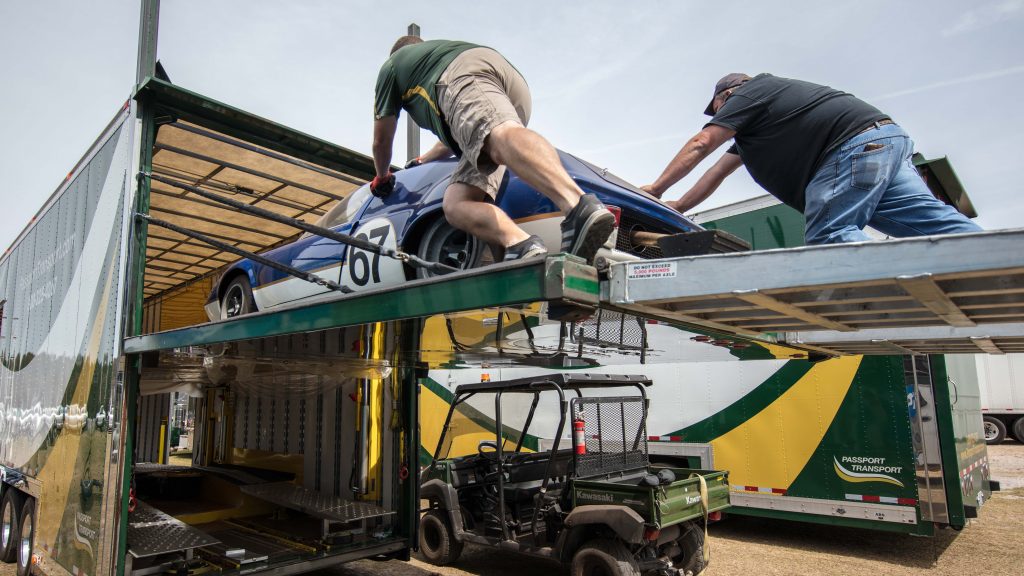
Most of what keeps a vehicle safe during transport isn’t obvious at first. It’s a careful mix of experience, routine checks, and making the right decisions.
Generally, auto transport providers partner with reliable carriers and drivers who have a good track record in terms of safety and reliability.
That means checking operating history, making sure everything is properly registered, and sticking with drivers who’ve been shipping cars cross-country for a while.
Positioning matters when the carrier loads your car. Cars are placed on the trailer in a way that balances the weight evenly and keeps the trailer stable. Once in place, cars are secured using tie-downs that hold it steady throughout the journey.
Vehicles are covered in transit, but the paperwork side is also important. The inspection at pick-up creates a record of the car’s condition before it moves. That same check happens again at delivery, so there’s a clear comparison if anything looks different.
You’re not left guessing while the car is on the road. Most of the time, updates come through as the journey progresses, with more contact as delivery gets closer. It’s generally a quick call or message and helps keep everything on track.
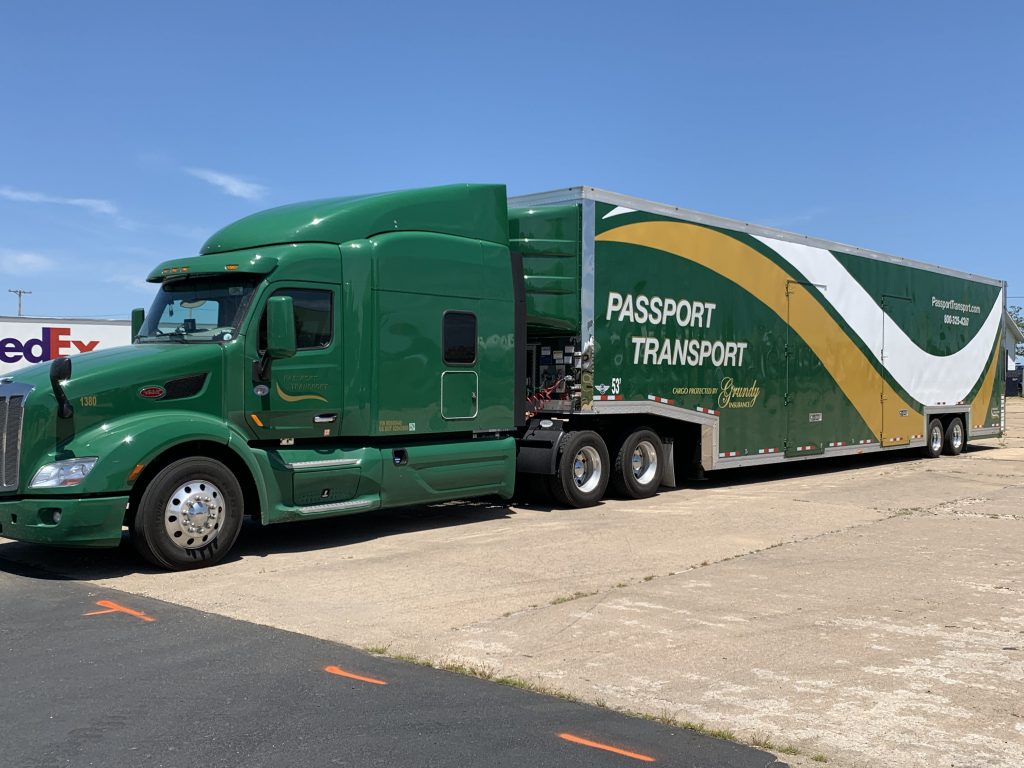
Delivery times can feel a bit fluid, even when everything is planned properly. There’s a general timeframe, but a few moving parts can shift things slightly along the way.
Distance is the obvious one. Longer routes simply take more time, especially if the shipment isn’t moving between major hubs. Some routes run constantly, others less so, and that can influence how quickly things line up.
Weather can also play a part. It doesn’t stop transport altogether, but it can slow things down, particularly during winter or periods of heavy rain. Seasonal demand has a similar effect, with busier months putting more pressure on schedules.
Then there’s the road itself. Traffic, construction, and occasional regulatory checks can all add small delays here and there. Nothing dramatic most of the time, just enough to shift timing slightly.
Pick-up and delivery access can also make a difference. If locations are easy to reach, things move quickly. If not, and an alternative meeting point is needed, it can add a bit of extra coordination.
That’s why most deliveries are given a window rather than a fixed time. It allows for those small variables without disrupting the overall schedule.
A lot of it comes down to how the shipment is handled day by day. The process itself doesn’t change much, but the way it’s managed can.
Passport Transport works with drivers who are used to long-distance routes. Not one-offs, but people who do this regularly and know how to deal with the small things that come up along the way.
Communication stays steady. You’re not left guessing what’s happening or when you’ll hear something next. Updates tend to come through when they’re needed, especially as delivery gets closer.
There’s also a clear approach to inspection. The vehicle is checked at pick-up, noted properly, and then checked again at the other end. It keeps everything straightforward.
Beyond that, it’s mostly about keeping handling to a minimum. The less a car is moved around, the lower the chance of issues. Routes are planned with that in mind.
Shipping a car across the country isn’t complicated once you know what to expect. Most of the stress tends to come from the unknown, not the process itself.
A bit of preparation goes a long way. Having the vehicle ready, understanding how pick-up works, and knowing what happens during transit makes the whole thing easier to deal with.
Who you choose matters just as much. Working with people who know what they’re doing, and who keep you in the loop, makes a noticeable difference.
At that point, it’s really just about keeping things straightforward and dealing with a team that handles the details properly. For all this and more, you can rely on Passport Transport every journey.