
One thing you’re going to wonder before you ship a car is, how long will it take for my car to arrive? Sounds like a simple question, but several factors affect the timeline. Time frames can shift depending on distance, route popularity, weather, vehicle type, transport type, and how quickly your carrier is assigned.
So many timing elements might make you feel uneasy with delays, missed deadlines, and limited visibility, adding to the stress.
On a more positive note, understanding what happens at each stage of the process will make it easier to handle. We’ve put together this guide to break it down into various steps so you know exactly what to expect.
With Passport Transport, you can feel confident in your car shipping experience, being clear, realistic, and transparent from start to finish.
Car shipping involves a series of stages, and each one affects how long the process takes from start to finish.
The first step is to gather quotes and decide which company and service level work best for your situation. It’s also time to choose between open and enclosed car shipping, depending on your budget, vehicle type, and level of protection.
When it comes to your preferred pickup date, most transport companies work with time windows rather than exact dates because carrier availability and routes can shift slightly. Book early for more flexibility, particularly on busy routes and when demand is high.
After your order is confirmed, a carrier will be assigned to your shipment. This is possibly the quickest part of the process, but it depends on how busy the route is and whether the price is competitive.
It’s easier to find carriers for the more popular routes because more people travel on them regularly. It can take a little longer to find a carrier for less popular routes. Pricing is also critical to timing, as carriers tend to choose loads that make the most logistical sense for their schedules.

For the pick-up, you can expect a flexible window rather than an exact date, but your assigned driver or carrier will get in touch to confirm the timing and coordinate the location.
If the pick-up address is easy for large transport trucks to enter, this part of the process tends to go smoothly. However, narrow streets, low branches, tight turns, or restricted access can slow things down. Such situations may also call for an alternative meeting point nearby.
After pickup, the timeline depends mostly on distance, but it’s still not as simple as calculating miles on a map. Carriers have to follow DOT driving hour rules, so there’s a limit to how far a driver can realistically travel in one day. In many cases, trucks cover around 400 to 500 miles daily, though that can change with traffic, weather, roadworks, or delays further up the road.
It’s also worth remembering that your car is rarely the only one on the trailer. Drivers usually make several stops for pickups and deliveries, and the route is arranged in the order that works best overall. That is why a shorter route can sometimes take a little longer than expected, while a longer route on a busy corridor may move surprisingly efficiently.
As the carrier gets closer, the driver will normally call or message to narrow down the delivery time. Exact timing can still shift slightly on the day, especially if traffic, previous stops, or access issues slow the truck down.
When the vehicle is delivered, you inspect it alongside the driver and compare its condition with the notes recorded at collection. At this point, the Bill of Lading is checked and signed to confirm delivery. Once that paperwork is completed, the shipment is finished, and the vehicle is officially back in your hands.
A lot of people assume car shipping time comes down to mileage. That is part of it, of course, but it’s not the full story. Two shipments covering a similar distance can move on very different timelines depending on the route, the season, the type of trailer, and the vehicle itself.
Longer trips usually take more time, but popular routes often move faster than you might expect. Carriers regularly run lanes such as California to Texas or New York to Florida, so there’s usually more activity there and more opportunities to quickly match a vehicle with a truck.
Things can slow down when either end of the trip is out of the way. Rural areas, small towns, and remote delivery points are not always served as often, which can mean extra waiting before pick-up or a little more time at the delivery end.
The weather has a direct impact on transport schedules. Snow, ice, heavy storms, and hurricane conditions can all affect road safety and force delays. Even if the weather is clear where you are, problems elsewhere on the route can still slow the truck down.
The time of year matters too. Summer is a busy moving season, and snowbird traffic increases demand on certain north-south routes. When more people are trying to ship at once, timelines can stretch.
Open transport is usually easier to schedule because it’s the most common option. There are simply more open carriers on the road, which helps with availability.
Enclosed transport can take longer to line up. Fewer enclosed trailers are operating at any given time, and they’re often booked for luxury, classic, or specialty vehicles.
Some vehicles are easier to place than others. Standard sedans and SUVs tend to fit more easily into a carrier’s schedule. Oversized vehicles or heavier models may need a specific setup, which can narrow the available options.
Non-running vehicles can also add time. They need special handling during loading and unloading, and not every carrier wants to take that on.
There is also the day-to-day reality of the road. Drivers have to follow federal driving-hour rules, which limit how far they can go in a single day. Add traffic, construction, detours, and several delivery stops along the way, and the timeline can shift a bit even after the vehicle is already in transit.
Pick-up day is usually more straightforward than people expect. In most cases, the carrier arrives within the agreed window rather than at one exact time. That is just how auto transport works, because drivers are still moving around traffic, weather, and other scheduled stops.
When the truck gets there, the driver goes over the vehicle with you before anything is loaded. This is where existing scratches, dents, chips, or other visible marks are noted down so there is a clear record of the car’s condition before transport starts.
You sign the Bill of Lading, which is the document used to record the inspection at pick-up. You get a copy of this document and check the car’s condition against it again at delivery.
After that, the car is loaded onto the trailer using ramps or a lift, depending on the trailer setup and the vehicle itself. The driver usually confirms what happens next before leaving. Small timing changes can still happen once the shipment is underway.
A few simple steps before shipping can make a real difference. The more prepared you are, the easier it is to keep the process moving without avoidable hold-ups.
Try to book at least one to two weeks in advance if you can. That usually gives you more carrier options and a better chance of scheduling more quickly. It also helps to stay flexible with pickup dates rather than aiming for a single day. Before confirming anything, make sure both addresses are accessible for a large truck, or ask about using a nearby meeting point.
A little prep on your side can prevent last-minute problems. Wash the car so any existing damage is easy to spot during inspection. Take out personal items as well, since they can cause issues during transport and are usually not covered. It’s also smart to check that the vehicle is in workable condition for loading, with no obvious leaks or avoidable mechanical problems. Keep only a quarter tank of fuel in it, enough for movement, but not enough to add extra weight.
Good communication can save a lot of unnecessary back-and-forth. Make sure the contact details on your booking are correct, especially the number the driver should use on pick-up and delivery day. Keep your phone switched on and nearby because transport updates often come in by phone call or text, and missed messages can cause delays. It’s also worth reviewing the transport agreement and insurance information before the vehicle is collected, so everything is clear from the start.
Your chosen type of transport affects how long scheduling takes. Open transport is generally the more common option in the wider market, making it easier to arrange on many routes.
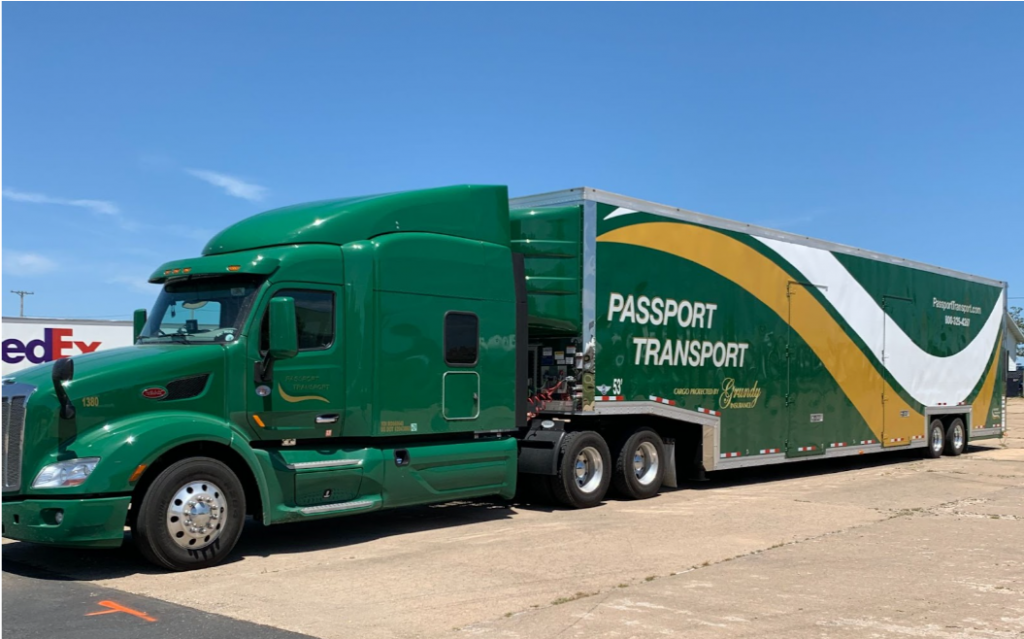
Enclosed transport often takes a little longer to schedule because there are fewer enclosed carriers available. Pick-up windows can be tighter, and availability is often more limited than standard transport. Even so, enclosed shipping remains the preferred choice for classic, luxury, exotic, and other high-value vehicles where added protection matters more than getting the first available trailer.
For Passport Transport customers, that extra care is part of the service. Enclosed shipping is for vehicles that need a greater level of protection and more specialized handling from pick-up through to delivery.
Most car shipments take longer than a couple of days to move from booking to delivery. In general, a more realistic overall time frame is around 7 to 14 days, depending on the route, the season, and how quickly the carrier is assigned.
Part of that time is spent before the vehicle is even picked up. Booking and dispatch take roughly 2 to 7 days, while the time on the road can range from 1 to 9 days. A shorter trip may move quickly once loaded, but that doesn’t always mean the full process will be immediate from the day you book.
Being flexible with your pick-up window can help keep things moving. It also helps when expectations are clear from the start, since realistic timing tends to make the whole experience smoother and less stressful.
Passport Transport helps keep shipments on track by working with dependable carriers on major routes across the country. That wider coverage can make dispatch easier and help avoid some of the delays that happen when carrier options are limited.
A big part of the process is setting realistic expectations from the start. Rather than overpromising, Passport Transport gives customers a clearer idea of what the timeline may actually look like based on route, timing, and availability. Customers also receive updates during the move, so they’re not left wondering what is happening. That kind of communication, combined with experience in luxury long-distance vehicle transport, helps the whole process feel more organized and predictable.