

Most people don’t ship cars very often. You might do it once when you move, buy a vehicle from another state, send a car to family, or arrange transport for something valuable that you don’t want driven across the country. So when the time comes, it’s easy to feel unsure about what is normal.
That is where the problem starts. Scammers can make cheap quotes sound harmless, especially when you’re already juggling dates, paperwork, travel plans, or a deadline for pick-up. By the time the price changes, the deposit has gone, or the company stops answering, the customer is already under pressure.
Car shipping scams work because they play on confusion and urgency. But they’re not impossible to spot. A little checking goes a long way, from confirming company details to questioning prices that sit far below every other quote.
In this guide, we’ll help you identify, prevent, and respond to scams confidently.
Car shipping scams aren’t always obvious at first. Some look amateur, with broken websites and vague contact details. Others look polished enough to pass a quick glance, especially if the company has copied branding, photos, or wording from a real transport provider.
One common trick is the fake broker. These companies appear to arrange vehicle transport, but they have no proper carrier network behind them. They may take a deposit, promise a pick-up date, and then disappear or keep making excuses when no driver arrives.
Impersonation of Legitimate Companies
Another version is company impersonation. A scammer may use a name that sounds close to a trusted brand, set up a similar website, or send emails from an address that looks almost right. It’s easy to miss if you’re moving quickly.
Then there is bait-and-switch pricing. The quote starts low, sometimes much lower than every other estimate. Once the customer agrees, the price suddenly rises close to pick-up. At that point, the customer may feel stuck, especially if they have travel plans, a sales deadline, or a relocation date already in place.
Deposit fraud in another big one. The warning sign is usually a large upfront payment, especially through a method that’s hard to trace or reverse. A legitimate company should be able to explain its payment terms clearly and provide written confirmation before money changes hands.
Before booking, take ten minutes to check that the company is real. It is not the most exciting part of arranging car shipping, granted, but it can save a lot of grief later.
Start with the company’s USDOT and MC numbers. These should be easy to find, not hidden away or avoided when you ask. Check that the business name, phone number, and address match what you have been given. If the details lead to a different company, a dead website, or a business that does not seem connected to auto transport, pause before going any further.
Reviews are useful too, but read them with a bit of suspicion. A real company may have a mix of feedback, including the odd complaint. That is normal. What looks less natural is a wall of very short five-star reviews that all sound the same, or glowing comments posted within a few days of each other.
You should also compare quotes carefully. Car shipping prices change with distance, route, vehicle size, trailer type, fuel costs, and seasonal demand. A quote does not have to be the highest to be trustworthy, but it should make sense alongside the others.
It also helps to speak with the transport company directly before you book. A real representative should be able to answer basic questions without rushing you or dodging details. Pay attention to how they explain pricing, timing, insurance, and the pick-up process. Clear, patient communication is usually a good sign. Pressure, vague answers, or constant pushiness is not.
Finally, ask about the contract, payment terms, cancellation policy, and insurance before you pay anything. A legitimate company should be able to explain these points clearly and put them in writing.
A car shipping scam usually feels slightly off before it becomes obvious. The problem is that many people only notice the warning signs after they’ve already paid a deposit or handed over personal details.
The biggest red flag is a quote that sits far below the others. A lower price is not always a scam, but if every other company is hundreds of dollars higher, there’s usually a reason. The carrier may not be confirmed, the price may change later, or the company may simply be trying to get your payment before you ask too many questions.
Poor communication is another warning sign. If the answers are vague, rushed, or different each time you speak to someone, be careful. The same applies to companies that pressure you to book immediately with claims that the price will vanish in minutes.
Payment requests matter too. Be wary of anyone asking for wire transfers, gift cards, cryptocurrency, or any method that leaves you with little protection. A missing written agreement, unclear insurance details, no proper business address, or a USDOT/MC number that can’t be verified should also slow everything down. A genuine company will not object to you checking the details first.
A genuine auto transport company will usually have a process that feels fairly steady from the start. It shouldn’t feel like you’re being rushed through a sale, then left guessing what happens next.
First, you should receive a clear quote and booking details. The company should explain what’s included, what could affect the final price, and how the pick-up window works. Long-distance car shipping depends on routes, driver hours, weather, and carrier availability, so be careful with anyone promising impossible timing just to win the job.
Once the booking is in place, you should know when a carrier has been assigned and who to contact with questions. A professional company will keep the communication moving, even if the update is simply that the schedule is still being confirmed.
At pick-up, the driver should inspect the vehicle and record its condition before loading. This is normally done on the Bill of Lading, which is an important transport document. It protects both sides by showing the vehicle’s condition at the start of the shipment. You can also take your own photos before the car is loaded.
At delivery, the vehicle should be inspected again before you sign off. This kind of paperwork may feel routine, but it’s one of the clearest signs that the shipment is being handled properly.

Try not to let the booking feel like a race. That’s probably the simplest bit of advice. If someone keeps pushing you to decide right away, it’s worth stepping back for a moment. A decent transport company won’t mind you checking the details first.
Price is another one to watch. Everyone likes saving money, obviously, but a quote that’s miles below the rest needs a second look. Ask what’s included, how the carrier is chosen, and what might change before pick-up.
Before you pay, make sure you have the basics in writing. That means the agreed price, payment terms, cancellation rules, estimated pick-up window, insurance information, and delivery details. Save the emails and messages, too. It may feel overcautious, but it’s useful if the story changes later.
Stick with payment methods you can trace. Wire transfers, gift cards, crypto, or strange payment requests should put you on alert.
When pick-up day comes, take your own photos before the vehicle is loaded. Make sure existing marks are noted on the Bill of Lading, remove personal items, and keep a copy of the paperwork. None of this is complicated, but it gives you something solid to rely on.
If your gut is telling you something is off, listen to it. Don’t send another payment just because someone on the phone is acting impatient or telling you the driver will “cancel” unless you pay right now. That sort of pressure is usually a bad sign.
Start by saving everything. Keep the quote, emails, texts, payment receipts, contract, and any screenshots of the company’s website or messages. If the price, phone number, or company name keeps changing, those records may matter later.
If money has already changed hands, call your bank or card provider. Do it sooner rather than later, as timing can matter with disputes or blocked payments. You can also file a complaint with the FMCSA or report the issue through a consumer protection agency, especially if the company used fake licensing information.
Before anyone collects the vehicle, slow the handover right down. Ask who the driver works for, check the paperwork, and make sure the amount owed matches what you agreed. If the names, numbers, or payment details keep shifting, keep the keys in your hand.
Start with the company’s USDOT and MC numbers, then check that the business name, address, and phone number match across its website, quote, and official records. Reviews can be helpful too, but look for patterns rather than one or two glowing comments.
No, not always. Some routes are cheaper because they are busy, straightforward, or easier for carriers to fill. The concern starts when one quote is far below every other estimate, and the company can’t explain why.
Pay in a way that leaves a trail. A card payment is usually safer than sending money directly. Gift cards, crypto, wire transfers, or mystery payment links? No thanks.
Don’t rush to say yes. Ask what changed, and ask for it in writing. If the price jumps at the last minute and the explanation is thin, walk away if you can.
Most car shipping problems start before the vehicle ever moves. The quote looks a little too cheap, the answers feel rushed, or the payment request seems odd, but the customer carries on because the date is getting close.
That’s why early checks matter. A reliable company should be easy to verify, clear about costs, and willing to explain how the shipment will be handled. The carrier should be properly vetted, the paperwork should make sense, and updates shouldn’t feel like something you have to chase for. Slow the booking down, ask the awkward questions, and don’t let a rushed decision choose the company for you.
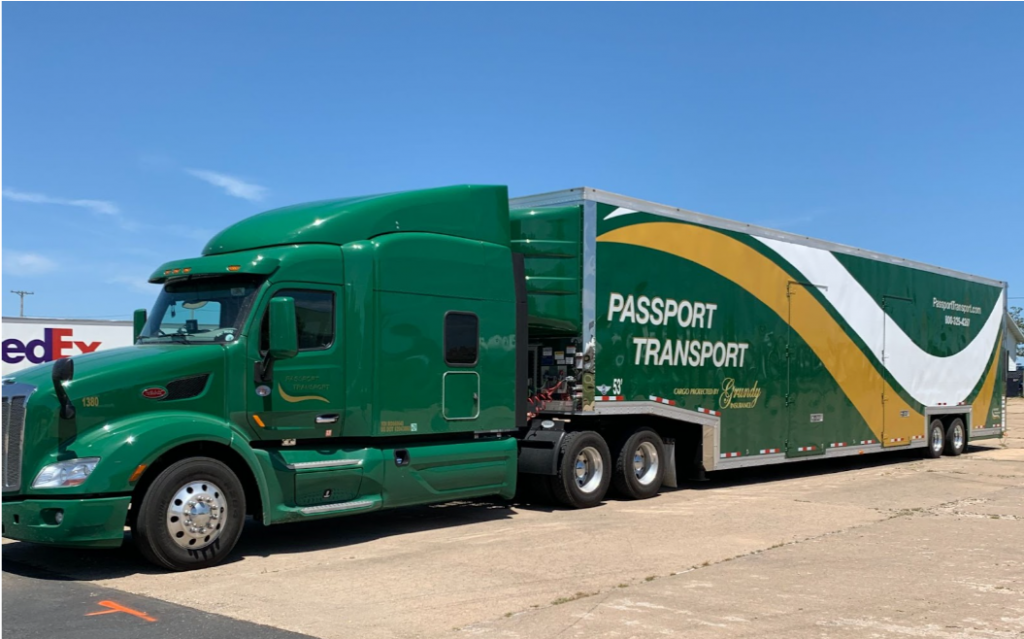
With Passport Transport, that kind of care is part of the job, not an extra. The team focuses on clear paperwork, sensible communication, and helping customers understand what’s happening before collection day.