
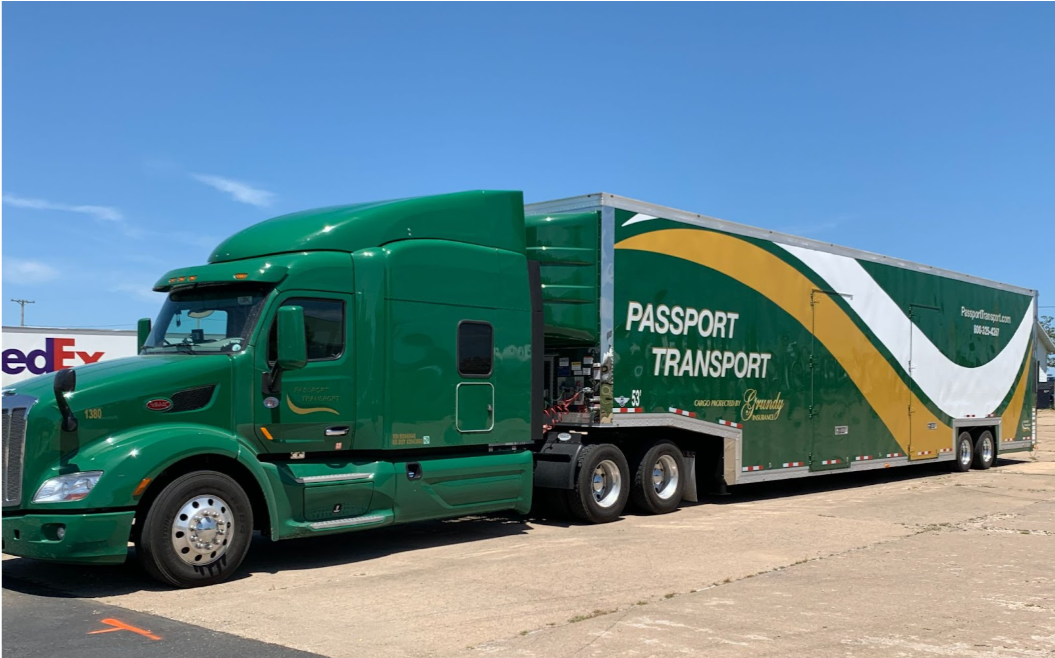
Luxury and high-value vehicles are not the kind of cars most people want sitting exposed on an open trailer for hundreds, or even thousands, of miles. Whether it’s a classic car with original paint, a rare collector model, an exotic sports car, or a luxury vehicle with a flawless finish, the risks feel different when the car itself carries real financial and personal value.
That’s why enclosed car shipping is often the better choice. It gives the vehicle a protected space during transport, away from road debris, harsh weather, dust, and unnecessary public attention. Additionally, it helps reduce any concerns owners might have about safe handling, loading, security, and delivery condition.
This guide looks at how enclosed auto transport works, why it’s the best choice for premium vehicles, which cars it suits best, and how to prepare your vehicle before pickup.
Enclosed car shipping is pretty much what it sounds like. Instead of traveling on the open trailers people often see on the highway, the vehicle is loaded inside a covered trailer for the trip.
That cover is the main reason many owners choose it. The car is not sitting out in the rain, sun, wind, dust, or traffic spray. It’s also less visible while it’s being moved, which matters when the vehicle is rare, expensive, freshly restored, or simply important to the owner.
Enclosed auto transport can use different trailer setups. Some trailers have solid sides, while others use covered soft sides. Either way, the goal is the same: to give the vehicle a more protected space during transport.
These trailers also tend to carry fewer vehicles than large open carriers. That usually means more room, more attention during loading, and a transport process better suited to cars that need careful handling.
A regular car can usually handle an open trip without much worry. For a rare, restored, exotic, or high-end vehicle, the thinking changes. The paintwork may be delicate. The body may sit low. Replacement parts might be difficult to find. In some cases, even a small mark can affect the car’s value or take away from the reason the owner bought it in the first place.
Weather is one of the biggest reasons people choose enclosed transport. Rain, snow, strong sun, dust, hail, and ice can all be a problem during a long-distance move. Even when the vehicle is not directly harmed, it can arrive dirty, weathered, or in a condition that needs extra cleaning and checking.
Debris thrown up from the road is another concern. Small stones, loose gravel, tire fragments, construction debris, and branches can all get kicked up during travel. Enclosed trailers add a barrier between the vehicle and whatever the road throws at it.
Enclosed shipping also keeps the vehicle out of plain sight. That matters more with luxury car shipping, exotic models, collector cars, and auction purchases. Less visibility means fewer people can see exactly what is being transported, including during fuel stops, rest breaks, and overnight parking.
Some cars just cannot be loaded in a rushed or rough way. Low bumpers, wide tires, custom paint, soft suspension, or unusual bodywork can all make the job a little more delicate. A good enclosed transport driver will take the time to line the vehicle up properly, use the right ramp or liftgate setup when needed, and secure it without treating it like an ordinary daily driver. That extra care matters from the moment the car is picked up until it’s loaded at the other end.

Enclosed transport is not only for ultra-rare cars or museum-level collections. It can make sense for any vehicle where extra exposure would feel like too much of a gamble.
Luxury sedans, exotic sports cars, and supercars are obvious examples. These vehicles often have expensive paintwork, low ground clearance, specialist parts, or trim that’s not cheap to repair. For owners arranging luxury car shipping, the added protection can feel like the sensible choice rather than an upgrade.
Classic car shipping is another common reason people choose an enclosed trailer. Older vehicles often have original paint, restored interiors, delicate chrome, or parts that are difficult to replace. Antique automobiles, vintage muscle cars, rare imports, and collector vehicles all fall into this category.
Enclosed shipping is also useful for custom-built cars, show cars, high-end electric vehicles, and auction purchases. These vehicles may be traveling to a new owner, a collection, an event, or a specialist shop, so arriving in clean, well-documented condition matters. When the vehicle has more than basic transport value, enclosed shipping gives it the level of care the move deserves.
Open car shipping has its place. It’s usually a good fit for everyday cars, used vehicles, commuter cars, and standard family vehicles where the owner mainly wants a safe and practical way to move the car.
The trade-off is exposure. On an open carrier, the vehicle is out in all weathers and visible during the trip. Rain, dust, highway debris, sun, and road spray are all part of the journey. For many cars, that may be acceptable. For luxury, exotic, classic, or collector vehicles, it can feel like too much risk.
Enclosed auto transport costs more because the trailer setup, equipment, and service level are different. These carriers usually move fewer vehicles at once, and there are fewer enclosed trailers available compared with open carriers. That is why booking early is a smart move, especially during busy seasons.
The right choice depends on the car. If it’s a daily driver, open transport may be enough. If the vehicle has high financial value, sentimental value, rare parts, custom paint, low clearance, or collector status, enclosed shipping is usually the better match.
Before the driver arrives, give the car a proper wash. It sounds simple, but clean paint and glass make the inspection much easier. Small chips, scratches, scuffs, or marks are harder to see when the vehicle is dusty or covered in road film.
Once it’s clean, take your own photos. Get each side of the vehicle, then move closer for the wheels, bumpers, mirrors, trim, interior, and any existing marks. You don’t need studio-style photos. You just want a clear record of how the car looked before pick-up.
It’s also worth taking a few minutes to remove anything loose from inside the vehicle. That includes valuable items, chargers, garage remotes, paperwork, and items in the trunk. Check the tire pressure, battery, and fluid levels, and let the carrier know about any leaks or mechanical quirks before loading begins.
Keep only a small amount of fuel in the tank, unless the carrier tells you otherwise. If the car has a sensitive alarm system, ask whether it should be disabled. Fold the mirrors if needed, secure any loose accessories, and have the keys, registration, insurance details, and transport agreement ready.
None of this is complicated, but it makes pick-up smoother and gives everyone a clearer starting point.

Pick-up usually starts with the driver checking the location and making sure there’s enough room to load safely. With a low-clearance or high-value vehicle, this part can take a little longer, especially if the car is being collected from a tight driveway, storage unit, dealership, or event site.
Before the vehicle goes onto the trailer, the driver will inspect it with you or with the person releasing the car. This is when the condition report is completed. Existing marks, chips, scratches, dents, or other details should be noted clearly. Photos may also be taken, and the Bill of Lading will be reviewed before loading begins.
This part should feel careful rather than fast. The driver may need to adjust the angle, move the ramps, or use a liftgate if the car sits low. Once the car is inside the trailer, it has to be secured in a way that keeps it steady without pulling on anything it should not.
Before the truck leaves, ask how delivery updates will work. Also, check the phone number they have for you, or for whoever is meeting the driver at the other end. It’s a small thing, but it avoids a lot of confusion later.
Good enclosed transport is not only about the trailer. The planning matters too. A valuable car needs the right equipment, the right driver, and a route that makes sense for the vehicle, not just the fastest space on the truck.
Companies that handle enclosed auto transport every day tend to look at the smaller details earlier in the process. They may ask about ground clearance, whether the car runs, where it will be collected, how much room there is for loading, and whether any special care is needed. Those questions can seem minor, but they help avoid problems at pick-up.
Passport Transport focuses only on enclosed vehicle shipping,which is useful when the car needs more than basic transport. Features such as liftgates, air-ride equipment, soft tie-downs, GPS tracking, inspection records, and AA-rated insurance all support a more careful move from start to finish.
The delivery side matters as well. The vehicle should be checked again when it arrives, with the Bill of Lading used as the shared record. Clear updates during the trip also help the owner know what is happening without having to chase for every detail.
Some cars are worth giving a little more protection on the road. With enclosed car shipping, luxury, exotic, classic, and collector vehicles are not left open to the weather, dust, road debris, or passing attention. The vehicle travels in a covered trailer instead, with a setup that allows for more careful loading, securing, and handling.
For owners, that extra protection is often about more than money. It’s about knowing the vehicle has been treated properly from pick-up to delivery. If you’re planning to move a high-value vehicle, speak with Passport Transport’s vehicle shipping specialists and request an enclosed transport quote before making your final decision.