
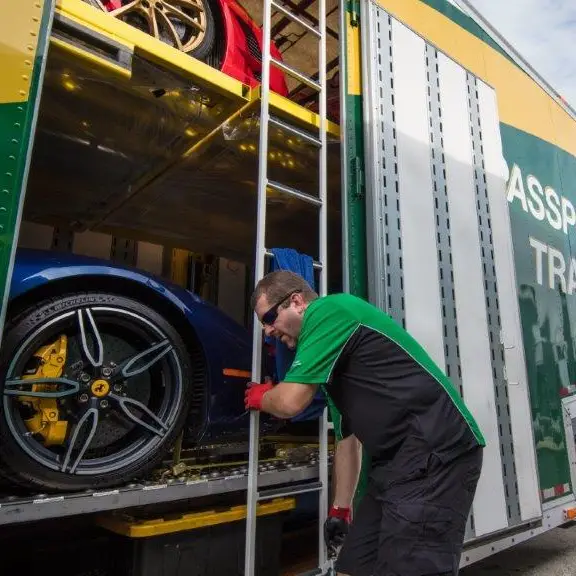
Auto transport is not unusual anymore. Someone buys a car in another state, wins one at auction, moves for work, or heads south for winter, and suddenly, shipping makes more sense than driving. That has brought plenty of good companies into the market, but a few bad ones as well.
This is where people get caught. They collect a few prices, see one that is much cheaper, and think they have found a bargain. Sometimes they have. Other times, that low number is just bait. The price changes later, the company becomes hard to reach, or the customer ends up with no confirmed driver and very little time to start over.
The good news is that most auto transport fraud comes with warning signs. When you know what to look for early, before you hand over money or sign a contract, you’re far less likely to get caught. This guide explains the red flags every customer should check for before booking.
Some scams are obvious. Others look like normal car shipping until the warning signs start stacking up. You may get a low quote, pay a deposit, then find out no carrier has been assigned, the price has changed, or the person you booked with has gone quiet.
In the auto transport industry, problems can come from different places. One company may be pretending to be a broker. Another may use a carrier name that doesn’t match its records. Sometimes there is a real business behind the quote, but the details are so unclear that the customer has little idea who is responsible for the vehicle.
This can happen early, while you’re comparing prices, or much later when the car is due to be picked up. New customers are often easier to rush because they don’t yet know what paperwork, pricing, or communication should look like. A few checks before payment can make a big difference.
Car shipping scams usually leave clues. One warning sign may not prove fraud, but several together should make you slow down before booking.
A cheap quote can look great at first, especially when moving costs are already piling up. Still, a price far below the others deserves a closer look.
Some dishonest operators use low quotes to get a quick yes. Later, the price may jump because “no driver will take the job,” or the company may fail to arrange transport at all.
A real auto transport company should be able to share the licensing details that apply to its work, such as USDOT or MC numbers.
Those details should match the company name, address, and operating information in official FMCSA records. If the numbers are missing, fake, inactive, or tied to a different business, treat it as a serious warning.
Paying a reasonable deposit after booking is acceptable. Being asked to make a large payment before anything is confirmed is something else altogether.
Be very wary of requests for payments to be made by wire transfers, cryptocurrency, gift cards, or payment links, especially if there’s no explanation. If it’s not offered, always ask for a proper invoice or receipt. A rushed message asking for the money is not enough.
Before booking, pay close attention to the way the company communicates with you. Slow responses, half-baked answers, and unclear explanations should be treated with suspicion.
A trustworthy company should be able to explain the quote, pick-up window, insurance, carrier assignment, and next steps in plain language. If basic questions seem to annoy them, that tells you something.
Verbal promises are not enough when your vehicle and money are involved. You should see the written terms before payment.
That paperwork should cover the price, service details, delivery window, cancellation terms, and insurance information. If the company keeps everything verbal or changes the agreement by phone only, slow down.
Scammers often lean on urgency. You may hear that there is only one slot left, the discount expires in an hour, or you must pay now to secure the driver.
Real transport schedules can move quickly, but you should still have time to check the company and read the terms. Pressure is not the same as service.
Reviews can be useful, but some are easier to fake than others. Watch for repeated wording, vague praise, or a page full of perfect ratings with no real detail.
Also, check the company’s wider footprint. A brand-new website, copied text, missing business details, or no presence on trusted platforms such as Google and BBB can suggest the company is not as established as it claims.

A little checking before you book can stop a messy situation later. You don’t need to know every industry detail, but you do need to know when something doesn’t line up.
Ask for the company’s USDOT and MC numbers, then look them up through FMCSA. The name, address, and operating status should match what the company has told you.
If the website, registration, payment name, or email signature all show different details, slow down. It may be harmless, but it needs a proper answer.
Don’t stop at the star rating. Read the comments because the most useful reviews will mention things like timing, communication, price changes, driver contact, or how an issue was handled.
Check multiple platforms for consistency. A sudden run of shining reviews, especially if they sound similar, isn’t quite as reassuring as a long pattern of mixed but detailed feedback.
Request a detailed breakdown of what the quote covers. Route, vehicle size, trailer type, timing, and pick-up access can all affect the final cost.
Compare two or three quotes before deciding. The goal is not to chase the lowest number. It’s to see what the route realistically costs, then question any offer that sits way below the others.
Read the agreement before paying. The basics should be there: price, payment terms, cancellation rules, refund policy, estimated delivery window, and insurance details.
Don’t accept “we’ll add that later” for anything important. If a promise matters, get it in writing while you still have the choice to walk away.
Choose a payment method that leaves a trail. Never send the full amount upfront unless the terms are clear and you have written confirmation.
Wire transfers, gift cards, crypto, and strange payment links deserve extra caution. You should receive a receipt and booking confirmation without having to beg for them.
Ask who the actual carrier is, when pick-up is likely to happen, and what the company does if delays occur.
Good companies may not promise an exact minute-by-minute schedule, but they should explain the process plainly. If every answer feels vague, rushed, or annoyed, trust that feeling.
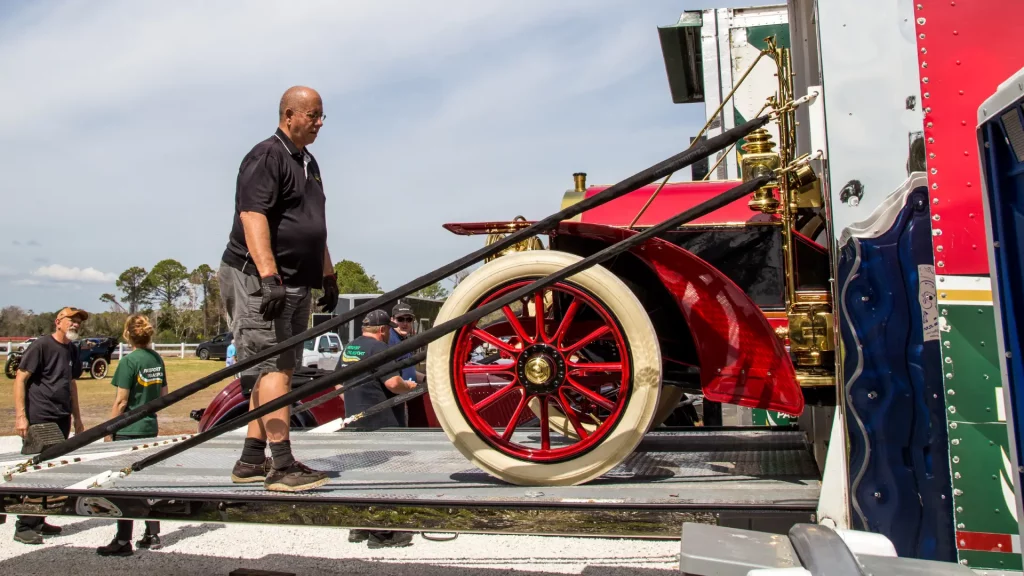
A proper car shipment shouldn’t leave you guessing. You should get a quote that reflects the actual job, not a random low number used to pull you in. Distance, route, vehicle size, timing, trailer type, and carrier availability all play a part.
After booking, the next steps should be clear. The company should tell you how carrier assignment works, what kind of pick-up window to expect, and who to contact if plans shift.
When the driver arrives, they should walk around the vehicle with you and note its condition on the Bill of Lading. Keep a copy, since this is the main record of the car’s condition before transport.
Insurance should be explained before loading, not after a problem. Timelines should also sound realistic. Cross-country shipping isn’t instant, and honest companies will say so.
Fraud risk drops when the company has a real process behind the scenes. That means checking carrier authority, insurance, safety records, and compliance before assigning anyone to a shipment.
The quote should also make sense for the route. A reliable company will not usually be the suspiciously cheap option, because safe transport depends on qualified carriers, proper equipment, and realistic scheduling.
Documentation matters too. Clear contracts, written terms, booking confirmations, inspection records, and insurance details all help protect the customer. Nothing important should be left to a casual phone promise.
Good communication is another sign you’re dealing with the right company. Regular updates, honest answers, and a clear explanation of the process make it harder for confusion or bad actors to slip in.
Passport Transport’s approach is built around that kind of careful handling: clear information, proper documentation, and support that helps customers understand what should happen before, during, and after shipping.
Most problems in car shipping start before the vehicle is ever loaded. The clues are usually there: a price that feels oddly low, missing company details, pressure to pay quickly, or answers that change from one call to the next.
Taking an extra hour to check the company can save a much bigger headache later. Look at the paperwork, ask who is moving the car, and make sure the payment method leaves a record. When the process is clear from the start, it’s much easier to trust the people handling your vehicle.