
Classic car auctions are the place to go if you’ve been looking for a particular model for years. Classic car auction catalogs might also stir memories of one you used to own. These regular events draw collectors and enthusiasts from all over the world for both reasons. They offer opportunities to find restoration projects, carefully preserved originals, and much more.
As soon as bidding gets underway, it’s easy to get caught up in the moment, letting excitement and enthusiasm get in the way of sticking to a budget. Before you raise your paddle or place a bid online, there are a few things to be certain of. Know the condition of the car, check its paperwork, and work out what you can realistically afford, taking into account auction fees and the journey home.
How you get yourself and your latest purchase home is something that deserves attention. With professional classic car shipping, you can get your purchase from the auction site to your garage without having to make a long drive in an unfamiliar vehicle.
In this guide, we’ll cover how to research, budget, bid, arrange transportation, and other classic car auction tips, so you’re ready when your dream car comes up for sale.
You can bid for classic cars in person, online, or through auctions with restricted entry. Each one offers different opportunities to inspect the car and speak with the people selling it.
At an in-person/live auction, an auctioneer takes bids as each vehicle comes up for sale. Usually, bidders have to register first, provide identification, and meet any financial requirements the auction house might have. All this before getting a paddle or a bidder number.
You have an opportunity to look at the cars and ask any questions before bidding starts, which is quite an advantage.
Online classic car auctions are accessible almost any time of the day or night, and you can check out classic cars for sale anywhere in the US from the comfort of your home. They might take place over several days or via live webcast. Bidding usually follows the auction’s schedule.
You can assess the condition of the car using photographs, written descriptions, and supporting documentation. However, if photographs of the undercarriage are missing or there’s little information about previous repairs, ask for more details. Also, verify the seller’s identity and arrange a reliable, independent inspection before you commit to the sale.
Some dealer or private auctions are purely for licensed dealers. Others require an invitation or approval from the organizer. Check what’s required before you spend time researching a vehicle just in case you’re not allowed to bid on it.
This type of auction may offer specialist collections, but that doesn’t mean the cars are better or lower in price. Much the same as public classic car auctions, it’s important that you check the vehicle, find out what fees you have to pay, and read the sales terms carefully.
If you have a particular make, model, or year in mind, look at upcoming auction catalogs to see if there are any suitable vehicles that match your budget.
Research the organizer before registering by reading buyer feedback, checking the company’s experience, and looking for a clear explanation of the fees and sale terms. If there’s anything that’s not clear, don’t be afraid to ask. Find out who handles payments, paperwork, and the vehicle release.
Try local auctions first, but if you can’t find what you want, look further afield. If you find something several states away, remember to add in the cost of inspection visits and transportation, bidder registration fees, and the buyer’s premium.
If you’re unsure about the price of your dream vehicle, previous results from classic car auctions can help you judge whether it fits your budget. Look for cars with similar specifications, condition, and restoration, and whether the buyer’s premium is included in the price.
You’ve found a car you like. Before deciding what to bid, spend some time checking its history and condition. There may be work needed that you haven’t budgeted for.
Start with the vehicle’s title. Does the identification or chassis number match the car? Is there any proof of ownership, outstanding liens, or title problems?
Old service bills and photographs of restoration work will be helpful. Don’t automatically expect a complete history if the classic is particularly old. If there’s something missing, ask the seller what they can tell you.
Give yourself time to look underneath the car for rust and repairs. Walk around it, checking how the panels fit and whether the paint finish varies.
Ask to hear the engine running if possible. It’s also worth arranging an independent inspection, particularly if you know little about the model’s engine, transmission, brakes, or suspension.
Find out how much restoration work was done and who carried it out. Ask for bills or photographs rather than taking the published description as the truth.
“Matching numbers” need to be checked too.
Your priorities will depend on whether you want a car to drive regularly or an original example for your collection.
Before you place any bids, work out what your budget is going to be. Tips on setting your budget include:
So, you’ve done your research and set your budget. Time to focus on the bidding.
You’ll likely need to provide some identification, a deposit, and proof of funds. Find out about the payment terms, what payment methods are accepted, and how soon you’ll have to pay if you win.
Arrive at a live auction early so you can watch a few vehicles getting sold and become familiar with the pace and bidding increments. If the auction is online, check how to submit a bid, when bidding closes, and whether late bids are accepted.
Keep your maximum bid in mind at all times. If it helps, write it on a piece of paper. Pay attention to the current price before placing another bid, particularly when things move quickly. If someone places a higher bid than your limit, let them have it.
If you manage to win your chosen car, confirm the winning bid, buyer’s premium, and any other charges. Follow the payment instructions and keep your receipt and purchase paperwork.
Get the bill of sale and ask when you can expect to receive the title and other ownership documents. Ask what’s required to release the car, about the collection deadline, and whether you might be liable for storage charges. Coordinate pick-up with your preferred classic car shipping provider and check the insurance coverage.
While buying a classic car at auction tends to go without a hitch, there are some common mistakes to be aware of.
Once your bid has been accepted and you have paid in full, the auction house will release it and let you know how long you’ve got to collect it. Now you’ve got to finalize the details with your chosen transport provider.
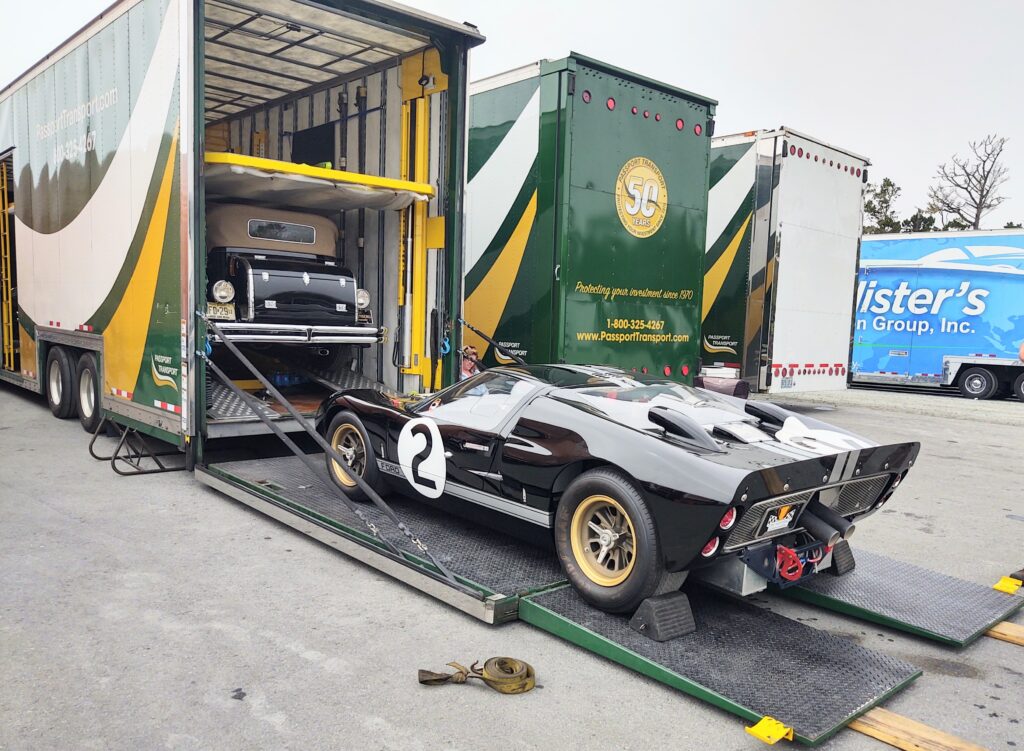
You must choose whether open transport is the right choice for your classic car. It leaves the car exposed to weather and road debris, so enclosed auto transport is recommended. Your purchase will be placed inside a covered trailer, which provides complete protection during its journey to your home.
Inform the shipping company of the exact collection address and a point of contact. Check what paperwork the driver needs, whether an appointment is required for the collection, and when storage charges are applied.
At the delivery location, make sure someone is available to receive the car, and there is a suitable place for unloading.
Arrange for someone to take clear photographs of the car’s condition before loading and to record any existing damage on the Bill of Lading. Any belongings should be removed or secured, along with any loose accessories.
Inform the transport company in advance if the car doesn’t run, has leaks, or there are special instructions for starting or loading. Any purchase and release documents should be made available.
Ask for the carrier’s USDOT and MC numbers. These will confirm an active USDOT registration and active FMCSA authority to transport property for hire. It can be confirmed through the FMCSA Licensing and Insurance system.
Confirm the insurance that’s included with the service is suitable for your car’s value, including any limits, exclusions, or deductible.
Finally, ask how you should report damage and keep a copy of the signed Bill of Lading and condition report. You’ll need this when checking the car at delivery.
Several things are taken into account when working out the cost to ship a classic car, starting with the auction address and where you want to ship the car to. The distance between these two points is the start of a quote. In addition, you’ll need to provide details about the car and when it can be collected.
Other things that affect the price of classic car shipping include:
If you want an accurate quote for your classic car shipping, be sure to provide all these details before bidding for your car. Check what’s included in the price and whether the proposed collection window meets the auction’s deadline.
`Before the car leaves the auction site, find out how you’ll receive updates and who to contact during the journey. Tracking may be available, or you might receive notifications either by phone, email, or SMS. You should also be notified of any changes to the schedule.
Make sure you’re available as the delivery date approaches. The carrier will need to speak with you to confirm the unloading location is suitable and that there’s someone you can trust to receive the car if you’re unavailable.
Once your car is unloaded, it’s time for a final check that everything’s in order before signing the delivery paperwork. Compare its condition with the Bill of Lading inspection report. Pay particular attention to the paintwork, glass, wheels, and lower body panels.
If you notice any new damage, take photographs, record it on the delivery report, and let the driver know. Keep a copy of the Bill of Lading and contact the transport company immediately to discuss the next steps.
A car you buy at auction could be something you’ve never driven before. It therefore makes sense to choose a transport company that understands the need for care when shipping older vehicles and one that focuses on enclosed transport for maximum protection.
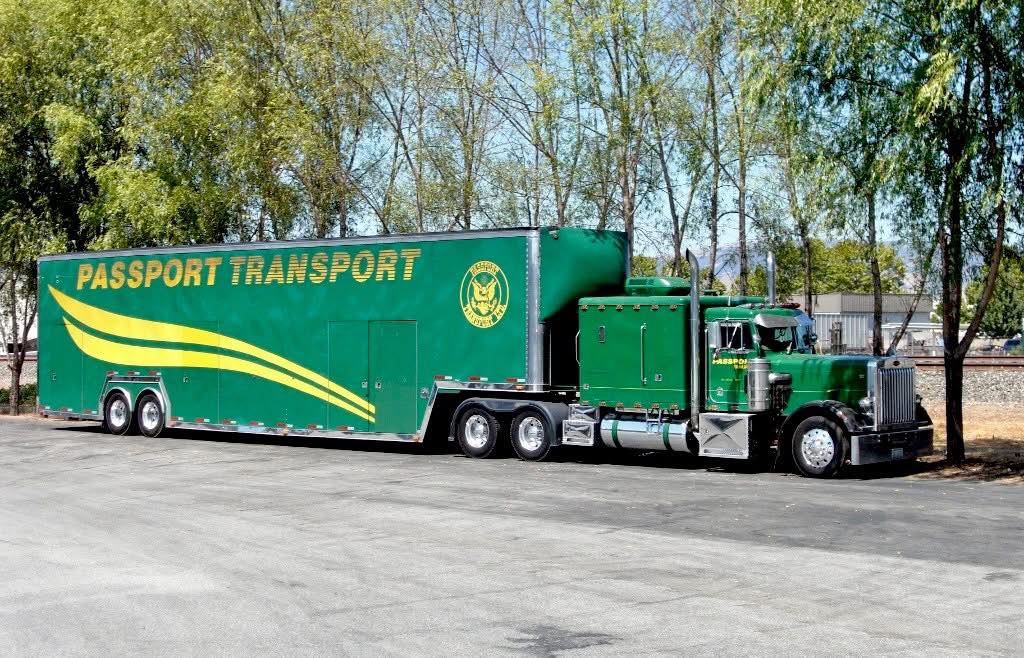
Passport Transport has been shipping classic, custom, antique, luxury, sports, and high-value vehicles for more than 50 years.
It has all the necessary equipment, including hard-sided trailers, power liftgates, air-ride suspension, and soft wheel straps.
If you’d like to discuss options for your next auction purchase, Passport Transport’s team of experts will be happy to help you explore its classic car shipping services.
Finding the perfect car at an auction is just the start. Give yourself the time to check its condition and paperwork, calculate the full cost, and decide on your bidding limit. Don’t forget about the journey home as well, as it’s a vital part of the classic car shipping process.
If you’re thinking about bidding for your dream car at an upcoming auction, request your classic car transport quote from Passport Transport. Have the auction location and vehicle details handy so you can discuss what’s needed for pick-up and delivery.