

When you’re comparing enclosed vs. open auto transport, the first thing you notice is the price difference. Open transport costs less. Enclosed transport costs more. On the surface, both move vehicles across the country every day. So why does one method carry a premium?
The answer comes down to protection levels, exposure control, and the type of vehicle you want to transport.
Open carrier car shipping remains the most common method in the auto transport industry. But for certain vehicles, particularly high-value, collector, luxury, or specialty cars, minimizing exposure isn’t just a preference. It’s a priority.
Passport Transport specializes exclusively in enclosed vehicle relocation. Not because open transport is unsafe, but because some vehicles require a higher level of protection than standard transport provides.
If you’re evaluating open car transport vs enclosed shipping, this guide will help clarify the differences and why the right method depends heavily on what you’re moving.
Open transport is what most people picture when they think of car shipping. Multi-level trailers carrying seven to ten vehicles travel major interstate corridors daily.
Vehicles are secured professionally using industry-standard tie-down systems. Structurally, the process is sound. The difference is that the trailer is open to the environment.
This method is widely used for dealership inventory, manufacturer deliveries, relocation moves, and standard daily drivers.
For many vehicles, especially newer commuter models, open transport is an efficient and economical solution.
The trade-off is exposure. Vehicles transported on open carriers encounter weather, road spray, dust, and highway debris. While damage from these elements is uncommon, exposure cannot be eliminated.
Open transport is one of several safe car shipping options available in the industry. But “safe” and “shielded” are not the same thing.
For some vehicles, exposure is acceptable. For others, it’s a variable owners prefer to remove entirely.
Enclosed auto transport places vehicles inside fully covered trailers, protecting them from environmental exposure throughout their journey.
Capacity is lower, typically two to six vehicles, and equipment is more specialized. Many enclosed carriers use hydraulic lift gates and soft tie-down systems, particularly when handling low-clearance or collector vehicles.
Because of this, enclosed auto transport cost is higher than open transport. That cost reflects reduced trailer capacity, higher insurance limits, and controlled handling procedures.
Enclosed car shipping benefits include:
For vehicles where condition directly affects appraisal value, auction results, or resale potential, these differences matter.
Passport Transport focuses exclusively on enclosed vehicle relocation because many of the vehicles entrusted to us are irreplaceable, restored, or investment-grade.
When discussing enclosed vs. open auto transport, the distinction is not about professionalism. Both methods operate within industry standards.
The distinction is exposure control.
Open transport secures vehicles safely but leaves them exposed to environmental factors. At the same time, enclosed transport minimizes these factors almost entirely.
For a standard commuter sedan relocating cross-country, open transport may be perfectly adequate.
For a restored classic, a luxury vehicle, or a rare sports car, the best way to ship a car cross-country often involves limiting exposure altogether.
Open transport tends to make sense when the vehicle is simply transportation, not a collector piece, not a restoration project, not something with rare trim or irreplaceable parts. Most everyday sedans, SUVs, and pickup trucks fall into this category.
People relocating for work, sending a car to a college student, or moving a secondary vehicle across state lines often choose open shipping because it’s practical and widely available. Dealerships and fleet managers rely on it for the same reason. It moves volume efficiently and keeps costs predictable.
That’s largely why open carrier car shipping remains the most common method across the country. It’s accessible, economical, and well-suited for standard vehicles that don’t require a controlled transport environment.
The shift towards enclosed transport usually happens when the vehicle carries more than just its market value.
Classic cars heading to a show. A restored muscle car with years of work invested into it. A low-clearance performance vehicle that doesn’t handle steep loading angles well. A luxury model where paint condition directly affects resale value.
In those situations, exposure starts to feel less acceptable.
Owners of collector vehicles, exotic models, custom builds, and even certain high-end newer cars often view enclosed auto transport costs differently. Instead of seeing it as a premium upgrade, they see it as protection; a way to limit variables and preserve condition during transit.
When the vehicle itself is difficult to replace, minimizing exposure simply makes sense.
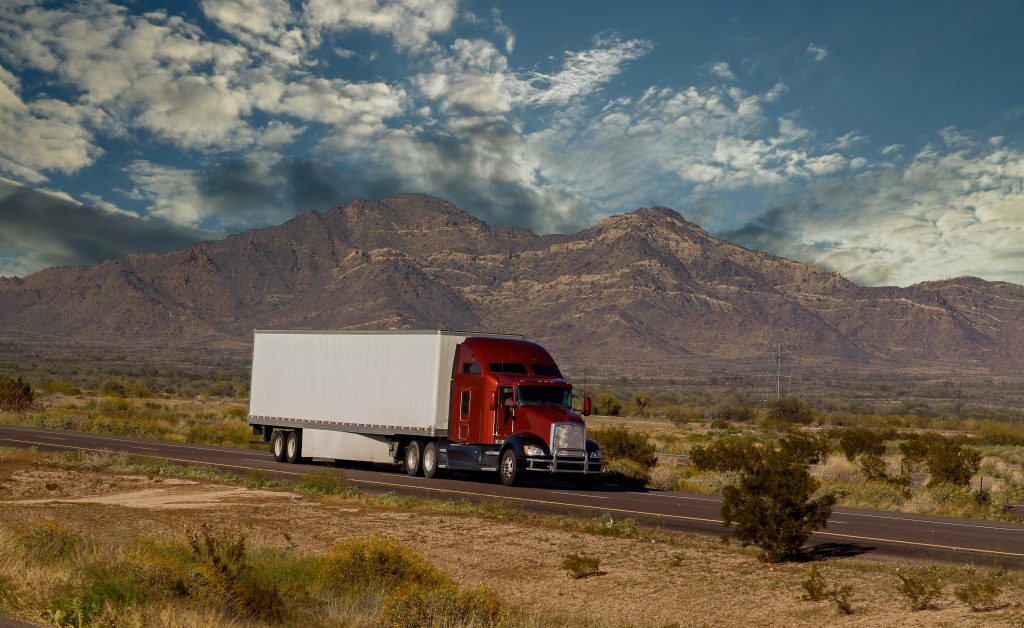
If you’re comparing open car transport vs. enclosed options, consider the vehicle first. Is it easily replaceable? Or would even minor cosmetic exposure cause concern? Does it carry collector value? Is it restored? Modified? Investment-grade?
Timing is also worth thinking about, especially if your route runs through northern states. Winter shipping can mean snow, freezing temperatures, and road salt – none of which are ideal for vehicles you’re trying to keep in pristine condition. On the other end of the calendar, peak moving seasons tend to tighten availability for enclosed carriers. When demand rises, flexibility shrinks, so planning gives you more control over scheduling.
Insurance deserves a quick look, too. Enclosed carriers often carry higher cargo coverage limits, largely because the vehicles they transport tend to have a greater market value. It’s not about one method being insured and the other not. It’s about how coverage aligns with what you’re shipping.
Once you shift the conversation away from price alone and toward protection standards, the right decision usually becomes easier to see.
With door-to-door car transport, the carrier picks up and delivers your vehicle as close to your specified addresses as safety allows. At pick-up, the driver performs a detailed inspection and documents the vehicle’s condition on the Bill of Lading. Photographs are taken before loading.
Vehicles are secured using appropriate tie-down systems, and enclosed trailers often use lift gates to prevent undercarriage stress. The difference lies in the trailer environment, not the professionalism of the process.
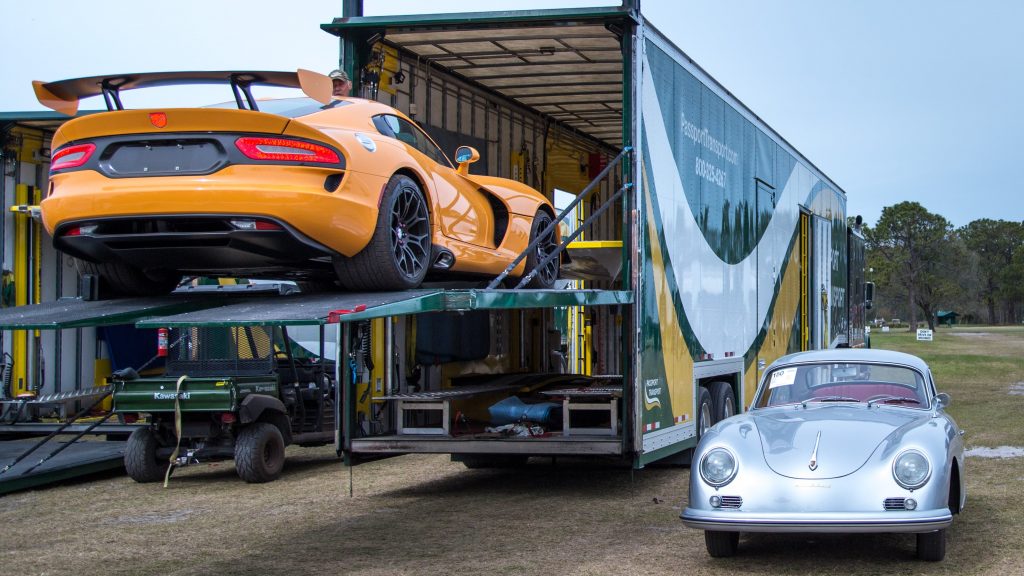
One common misconception is that open transport is unsafe. It is not. It is widely used and operates within industry standards.
Another misconception is that enclosed shipping is only necessary for exotic supercars. In reality, many owners choose enclosed transport simply because they prefer eliminating environmental exposure.
Choosing solely based on the lowest quote without evaluating vehicle type is where confusion often starts.
The right decision is rarely about price alone.
Passport Transport does not normally offer open carrier car shipping. That choice is intentional. Our focus has always been on enclosed vehicle relocation because so many of the vehicles we transport require higher protection standards. Over time, that specialization has shaped our processes, equipment standards, and coordination protocols.
While open transport remains a viable option in the broader industry, our expertise lies in enclosed shipping, particularly for clients who prioritize condition preservation.
The choice between enclosed vs. open auto transport ultimately comes down to your preferred protection level. Open transport is widely used and cost-effective. Enclosed transport reduces exposure and increases environmental control.
For standard vehicles, open transport may be sufficient. For collectors, luxury, restored, or high-value vehicles, enclosed shipping often represents the best way to ship a car cross-country with minimized risk.
Both are legitimate methods. The right choice depends on the vehicle and the level of protection you expect.
If protection is the priority, enclosed auto transport provides a controlled solution designed for vehicles where condition truly matters.
Call today to request a quote and discuss the right approach for your shipment.
Is enclosed auto transport safer than open transport?
Open transport isn’t unsafe — it’s the industry standard. The distinction comes down to exposure. Enclosed shipping shields the vehicle from weather and debris, while open transport leaves it in normal road conditions.
How much more does enclosed car shipping cost?
Expect a noticeable difference. Enclosed auto transport cost is often higher because fewer vehicles fit on the trailer and the equipment is more specialized. The route and season still play a role.
Is open transport safe for long-distance moves?
It’s used every day for cross-country deliveries. Dealerships and manufacturers rely on it regularly. The vehicle travels securely, just without a covered trailer.
When is enclosed transport necessary?
“Necessary” depends on the vehicle. Collector cars, high-end models, restored vehicles, or anything difficult to replace usually benefit from a controlled environment.
Does insurance differ between open and enclosed carriers?
Both carry cargo coverage. Enclosed carriers often operate with higher limits due to the value of the vehicles they handle. Reviewing the policy details beforehand is always wise.
How far in advance should I book enclosed shipping?
Because enclosed carriers operate with limited space, earlier planning improves your chances of securing preferred dates — especially during busy seasons.
Can I switch from open to enclosed after booking?
Sometimes, yes. It depends on availability and timing. If space exists, the change can usually be arranged.
Which option is better during the winter months?
Snow and road salt are part of winter transport. Enclosed shipping removes that exposure entirely, which is why some owners lean that direction during colder routes.