
Shipping a car is usually straightforward. For everyday vehicles, open trailers move thousands of cars across the country every week without issue. But when the vehicle in question is a luxury model, a collector car, or something rare, owners tend to think about transport a little differently.
The primary concern is making sure the vehicle arrives in pristine condition, rather than just worrying about getting it from point A to point B.
High-value vehicles typically have custom or delicate paint finishes, specialist bodywork, or restoration work that tends to be irreplaceable. The slightest damage will affect the value of the car and also the owner’s confidence in the auto transport process.
For such situations, enclosed auto transport is preferred because it offers complete protection and reduces the risk of damage along the way. When the vehicle is a luxury, custom, or classic model, the level of protection during transport becomes much more important.
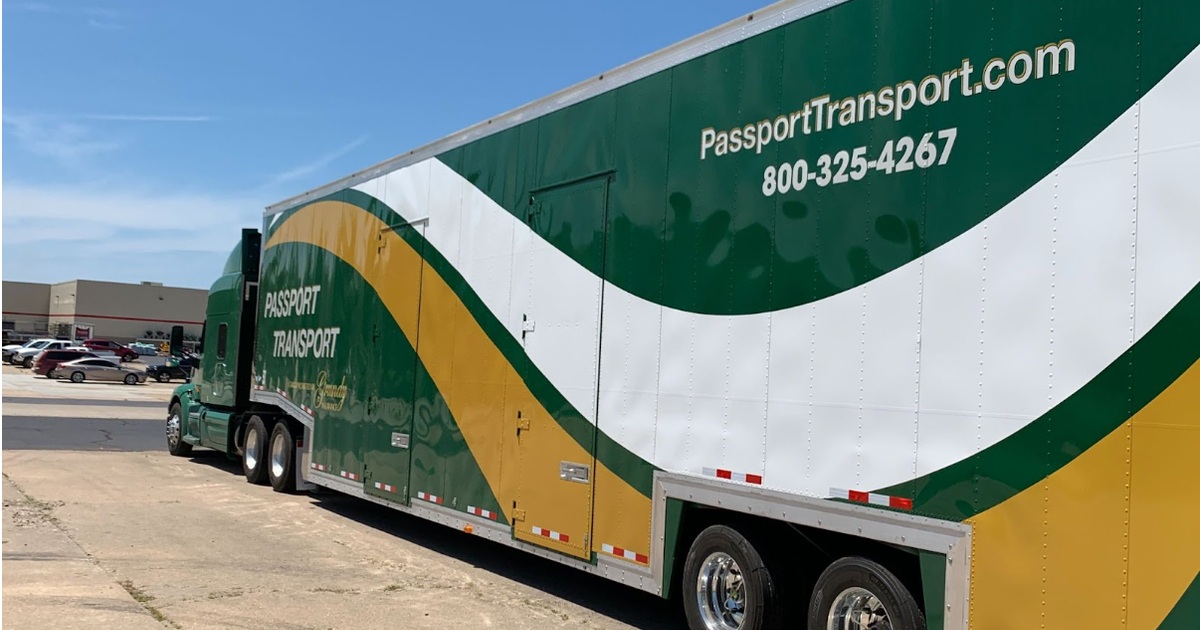
At its simplest, enclosed auto transport means the vehicle is shipped inside a covered trailer.
Most people are familiar with open carriers. They’re the large multi-level trucks that move vehicles between dealerships and distribution centers. They’re efficient and widely used, but the vehicles remain exposed to weather and road conditions during the journey.
Enclosed auto transport is different in a critical way. The vehicles sit inside a fully enclosed trailer, protected by solid panels or reinforced sides. That barrier shields them from rain, dust, debris, and direct sunlight during transport.
There are two types of trailers commonly used for enclosed shipping. One type has solid walls and a rigid roof and is typically chosen for the highest level of protection. The other type is a soft-sided trailer that uses heavy reinforced fabric stretched across a frame. While lighter, they still provide strong protection from outside conditions.
The types of vehicles moved in enclosed trailers tend to reflect the level of care involved. Exotic sports cars, luxury sedans, restored classics, and collector vehicles frequently travel this way, particularly when heading to auctions, dealerships, private buyers, exhibitions, or shows.
The protective trailer itself is only part of the story. Several factors combine to make enclosed shipping safer for high-value vehicles.
Vehicles transported on open trailers are exposed to whatever the road throws at them, including rain, snow, dust, insects, and occasional debris kicked up by surrounding traffic.
While most shipments arrive without issue, collectors and luxury car owners often prefer to eliminate that exposure entirely.
An enclosed trailer creates a physical barrier between the vehicle and the outside environment. For freshly detailed vehicles or cars with sensitive finishes, that protection helps preserve the vehicle’s condition during the trip.
Open carriers can transport many vehicles at once. Enclosed trailers usually carry fewer. That difference often means fewer stops and fewer loading cycles during the route.
Each time a vehicle is loaded and unloaded, there is some level of handling involved, so reducing those moments lowers overall exposure.
Less movement inside the trailer also helps keep vehicles stable during long distances.
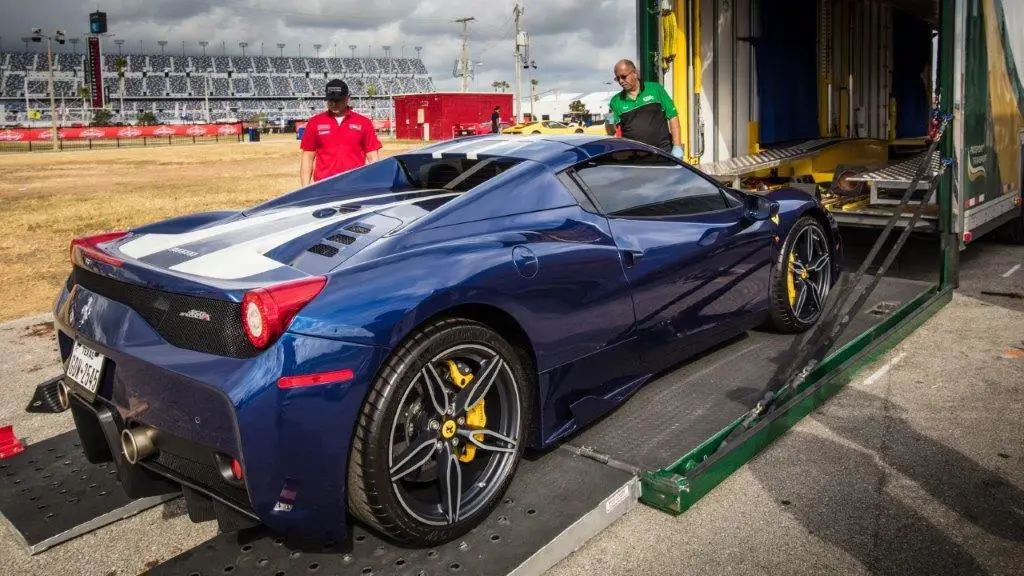
Luxury and exotic cars frequently sit much lower to the ground than standard vehicles. A steep loading ramp can easily scrape a front splitter or underbody component.
To avoid that, many enclosed carriers use lift gates or extended low-angle ramps. These allow vehicles to be loaded gradually without sharp approach angles.
Drivers also use soft tie-down straps rather than chains or rigid restraints. These systems secure the vehicle while avoiding pressure on delicate components.
Because the vehicle is sealed inside the trailer, it remains largely isolated from dust, grime, and road spray.
That may not matter much for a daily driver, but it does matter when the vehicle is traveling directly to a show floor, auction stage, or private buyer who expects the car to arrive looking exactly as it did when it left.
Most of the preparation involved in enclosed shipping is simple, but it helps the process run smoothly.
Owners typically begin by documenting the vehicle’s condition. A set of clear photos taken before pick-up provides a useful record if questions ever arise later.
Insurance is another important detail. Licensed carriers carry cargo coverage, but the limits can vary between companies. Reviewing that information ahead of time helps owners understand what protection is in place.
Loose items should be removed from the interior. Personal belongings can shift during transit, and transport regulations generally discourage leaving items inside the vehicle.
Finally, it helps to consider access at the pick-up location. Enclosed carriers are large commercial vehicles. If the immediate street is narrow or restricted, the driver may suggest meeting nearby in a larger parking area where loading can be done safely.
Pick-up day usually feels less complicated than many people expect.
Upon arrival, the auto transport driver starts by walking around the vehicle with the owner. They take a moment to look for any existing scratches, chips, or cosmetic marks. Anything already visible gets noted on the Bill of Lading, the official record of the car’s condition at pick-up and delivery.
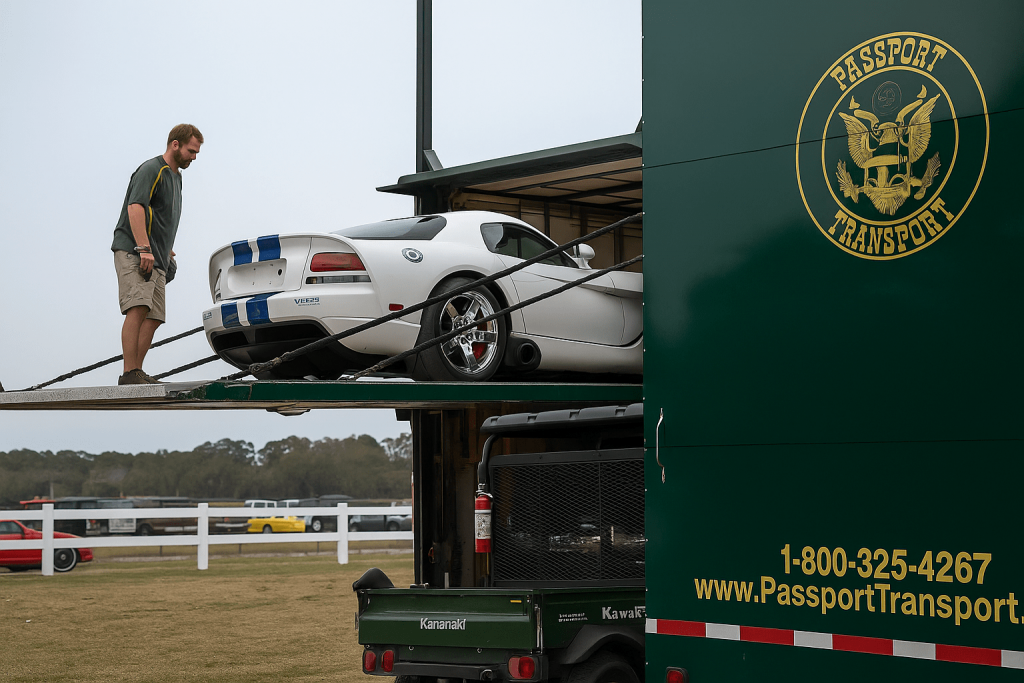
Next, the driver gets the vehicle ready for loading. Enclosed carriers typically use extended ramps or lift-gates, which is particularly useful when handling vehicles with low clearance. These types of trailer equipment mean vehicles can be guided into the trailer slowly and without any steep angles.
Once the car is positioned inside, the driver uses soft tie-down straps to secure it. These hold the vehicle firmly in place during the trip while avoiding pressure on the suspension or frame. Before heading out, the driver normally confirms where the vehicle will be delivered and gives a rough idea of the travel timeline.
Enclosed transport isn’t limited to a single category of vehicle, but certain cars tend to benefit from it more than others. High-end and exotic models are an obvious example. Many of them have delicate paintwork, carbon fiber components, or low front ends that need careful handling.
Restored classics often fall into the same group. After investing years into bringing an older vehicle back to life, owners usually prefer to keep it protected from weather and road debris during transport.
Collector vehicles are another common example. Owners who have spent years restoring a classic car often prefer to keep it shielded from the road environment during transport.
Show vehicles often travel enclosed as well. When a car is heading directly to an exhibition or auction event, arriving clean and untouched becomes part of the presentation.
Sometimes the decision comes down to something simpler: sentimental value. A vehicle passed down through a family may not be extremely rare, but the owner still prefers extra protection.
Enclosed transport typically costs more than open shipping. The main reason is trailer capacity. Open carriers can move many vehicles at once, spreading the operating costs across a larger shipment. Enclosed trailers carry fewer cars, so the cost per vehicle is naturally higher.
Distance also plays a role. Longer routes involve more fuel, more driver time, and more planning. Vehicle size matters as well. Larger vehicles take up additional space inside the trailer, and non-running cars sometimes require extra equipment during loading.
One more thing that can influence pricing is seasonal demand. Enclosed carriers may be booked more quickly when there are major auction events, or it’s a collector season. The collector car season refers to the annual cycle of buying, selling, driving, and storing specialty, antique, and classic vehicles. It typically peaks in spring and summer for shows, and ends with a fall/winter storage “shuffle.”
A common misconception is that choosing enclosed shipping automatically means you’re assured a faster delivery. In practice, timelines depend on things other than the trailer type, such as route planning and carrier availability.
Another misunderstanding is that only exotic cars qualify for enclosed transport. In reality, any vehicle owner can request it.
Insurance is sometimes misunderstood as well. While carriers carry cargo coverage, it’s always worth reviewing the details in advance so everyone understands the protection involved.
Moving a high-value vehicle usually involves a bit more care than simply scheduling the next available truck. Cars in this category often need drivers who are used to handling low-clearance models and securing them properly for longer journeys.
Owners also tend to want more visibility during the trip. Knowing when the vehicle has been picked up, where it is along the route, and when delivery is likely to happen can make the process feel far less uncertain.
Another important step happens at the beginning and the end of the journey. The vehicle’s condition is recorded during pick-up and checked again at delivery. That way, everyone involved has a clear reference point for how the car looked before transport and when it arrives.
Is enclosed shipping worth the extra cost?
For luxury or collector vehicles, many owners feel the additional protection is worthwhile.
How much safer is enclosed transport compared to open shipping?
Enclosed shipping is much safer because it reduces exposure to weather, debris, and environmental conditions.
Are vehicles insured during transport?
Licensed carriers carry cargo insurance, though coverage limits vary.
How long does enclosed car shipping take?
Transit time depends mainly on distance and route scheduling.
Can non-running vehicles be shipped in enclosed trailers?
Yes, they can, although special loading equipment may be needed.
Will my vehicle share a trailer with other cars?
Usually yes, but there are fewer vehicles per trailer than on open carriers.
How far in advance should enclosed shipping be booked?
Booking a few weeks ahead typically helps secure availability.
If preserving your vehicle’s condition is important, enclosed shipping offers the highest level of protection available during transport.
Enclosed carriers create a safer environment for luxury and collector vehicles during long-distance transport by limiting exposure to weather, road debris, and unnecessary handling.
For many owners, this extra protection is what makes enclosed auto transport the right choice.