

Shipping a high-end car is not something most owners want to leave to chance. Luxury and exotic vehicles can sit low to the ground, carry custom parts, and wear finishes that are harder and more expensive to protect. That changes the shipping process. In this guide, we’ll look at what owners should do before booking, what happens during transport, and how Passport Transport approaches enclosed shipping for vehicles that need a higher level of care.
The biggest difference is simple: there’s less room for error. With a standard car, a small scrape or chip is annoying. With a luxury or exotic model, that same mistake can be far more expensive to fix, and sometimes harder to put right.
These cars also tend to bring extra challenges. Many sit very low, have custom parts, or wear finishes that mark more easily than people expect. That makes loading, securing, and transporting them a more careful job. Open transport works for plenty of vehicles, but for high-value cars, the added exposure can be a risk many owners would rather avoid.
There’s no single shipping method that suits every high-end vehicle. A newer luxury sedan may have different transport needs from a low-slung exotic or a restored collector car. The main question is how much protection the vehicle needs from pick-up to delivery.
Enclosed transport is usually the best fit for luxury and exotic cars. It protects the vehicle from weather, road grit, and loose debris during the journey. That added cover matters more when the car has custom paint, rare parts, or a finish that’s costly to repair. It’s also the preferred option for classic and collector vehicles, where condition is a major factor in a car’s value.
Open transport costs less, but the car stays exposed throughout the trip. For that reason, it’s not usually the first choice for exotic vehicles. Still, some owners use it for entry-level luxury cars or shorter routes where the risk feels more manageable.
Some vehicles need more than enclosed shipping alone. Liftgate loading helps protect cars with very low clearance. Soft tie-downs reduce the risk of damage during securement. In some cases, climate-controlled trailers may also be worth considering for vehicles with sensitive interiors, finishes, or show-level condition.
The equipment matters just as much as the trailer. Many luxury and exotic cars sit too low for steep ramps, which is why hydraulic lift gates are often the safer way to load them. Soft straps are also commonly used rather than chains because they secure the vehicle without putting pressure on sensitive parts.
Covered trailers with air-ride suspension add another layer of protection by reducing movement and road shock during transit. Just as important, the driver should know how to handle high-value vehicles. Experience with exotic cars can make a real difference when loading, securing, and unloading a vehicle with very little room for error.
Shipping a luxury or exotic car usually costs more than standard vehicle transport, often by 30 to 100%. Part of that comes down to the equipment involved, but the service level also plays a big part. Enclosed trailers, liftgate loading, higher insurance requirements, and more careful handling all affect the final price.
The price also varies based on the route, the car’s size, and how easy it is to move safely. A low sports car with limited clearance is not going to be priced the same way as a standard luxury sedan. And if one quote comes in much lower than the rest, it’s worth asking why. With high-value vehicles, the cheapest option can sometimes mean corners are being cut somewhere.

A little preparation goes a long way when you’re shipping a high-value car. The goal is to reduce avoidable problems, properly document the vehicle, and ensure the transport setup matches the car.
Start by choosing enclosed transport, since it offers the level of protection most luxury and exotic cars need. It’s also worth checking that the carrier has real experience with high-end vehicles, not just general auto transport. Before you commit, confirm the insurance limits and ensure the coverage matches the value of the car being shipped.
Wash the car before the driver arrives, since dirt can hide small marks that should be noted at inspection. Take good photos and a walk-around video in daylight, then save everything. Remove valuables, turn off alarms, and take out or turn off toll tags. It also helps to check that the tires are properly inflated and the battery is in good shape, so loading goes smoothly.
Go over the Bill of Lading carefully before signing anything. That document should show the vehicle’s condition at pick-up, so it’s worth checking it properly. Keep copies of the transport agreement, insurance information, and any booking paperwork as well. If there is ever a question later, you’ll want those details to hand.
Pick-up usually starts with a full inspection of the car. The driver checks the vehicle’s condition and notes any existing marks, chips, or scratches on the Bill of Lading. This step matters because it creates the record that will be used again at delivery.
Once the inspection is done, the car is loaded using the equipment best suited to its clearance and design. For many exotic or low-slung vehicles, that means a liftgate or very low-angle ramps. The vehicle is then secured with soft straps rather than chains to help avoid damage. During transit, a reliable transport provider should also keep you updated on the shipment’s progress.
Insurance is one of the first things to check when shipping a luxury or exotic car. The carrier’s policy should reflect the vehicle’s value, not just meet a minimum. If the coverage limit falls short, you could be left with a gap that matters if something goes wrong.
That is worth sorting out before the car is picked up, not after. Ask exactly how much the policy covers, what exclusions apply, and whether the amount is enough for your vehicle. If it’s not, extra coverage may make sense. Clear answers matter here, especially when you’re shipping a car that would be expensive to repair or replace.
One of the most common mistakes is choosing open transport just to cut the price. That may work for some vehicles, but with a luxury or exotic car, the added exposure can be a risk not worth taking. Another easy mistake is assuming the carrier’s insurance is enough without checking the actual coverage limit.
Owners also run into problems when they skip photos, rush the paperwork, or book with carriers who don’t regularly handle high-value vehicles. Leaving the booking too late can create issues as well, especially if the car needs an enclosed space or special loading equipment. In most cases, the smoother shipments start with more planning, not less.
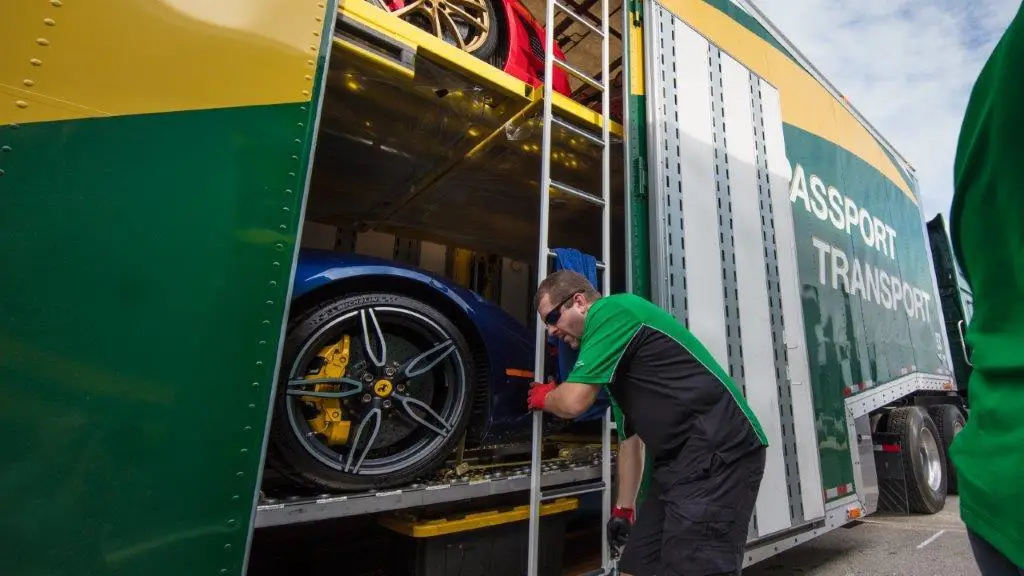
Luxury and exotic car shipping often follows a similar timeline to standard transport, but enclosed moves can take a little longer to arrange. There are fewer enclosed carriers on the road, and high-value shipments often need more planning before the vehicle is dispatched.
Once the car is booked, there is usually a waiting period before the trailer is assigned, often a few days, sometimes longer on less common routes. After that, the journey itself might take anywhere from a couple of days to over a week. Distance plays a part, but so do timing, carrier availability, and the care needed to move the vehicle properly. With this kind of shipment, a slower but well-handled move is usually the better outcome.
Passport Transport brings decades of enclosed vehicle shipping experience to luxury and exotic car transport. The company was founded to meet the need for better protection of high-value vehicles and went on to pioneer custom-enclosed carriers designed specifically for that job.
Today, Passport Transport combines its own enclosed fleet with access to vetted carriers nationwide, giving owners more flexibility without losing focus on careful handling. The company also provides clear pricing, realistic timelines, and shipment visibility throughout the move, so owners have a better sense of how the process is progressing from pick-up to delivery.
Is enclosed transport necessary?
If the car is high-value, rare, modified, or especially vulnerable, enclosed transport is usually the safer call. It provides the vehicle with greater protection during the trip and is the option most owners choose for premium cars.
How much insurance do I need?
You want enough coverage to reflect the car’s actual value, not just a basic policy limit. If the carrier’s insurance falls short, it is worth looking at additional cover before the move.
Can I ship a modified car?
Yes, but the company needs to know about the modifications ahead of time. Changes to height, width, ground clearance, or bodywork can affect how the car is loaded and secured.
Is door-to-door available?
In many cases, yes. If access is too tight for a large enclosed trailer, the driver will usually arrange a nearby location that is easier and safer to reach.
Can I track my vehicle?
That depends on the provider, but you should be able to get updates while the car is in transit. Passport Transport also offers shipment visibility, making it easier to follow the shipment as it happens.
Shipping a luxury or exotic car requires more planning than a standard move, but that extra care helps reduce risk. Enclosed transport remains the safest option for most high-value vehicles, especially when protection and handling matter more than price alone. Just as important, the company moving the car should have the right equipment and real experience with premium vehicles. If you are planning a shipment, Passport Transport offers enclosed transport built around the needs of high-end cars.