
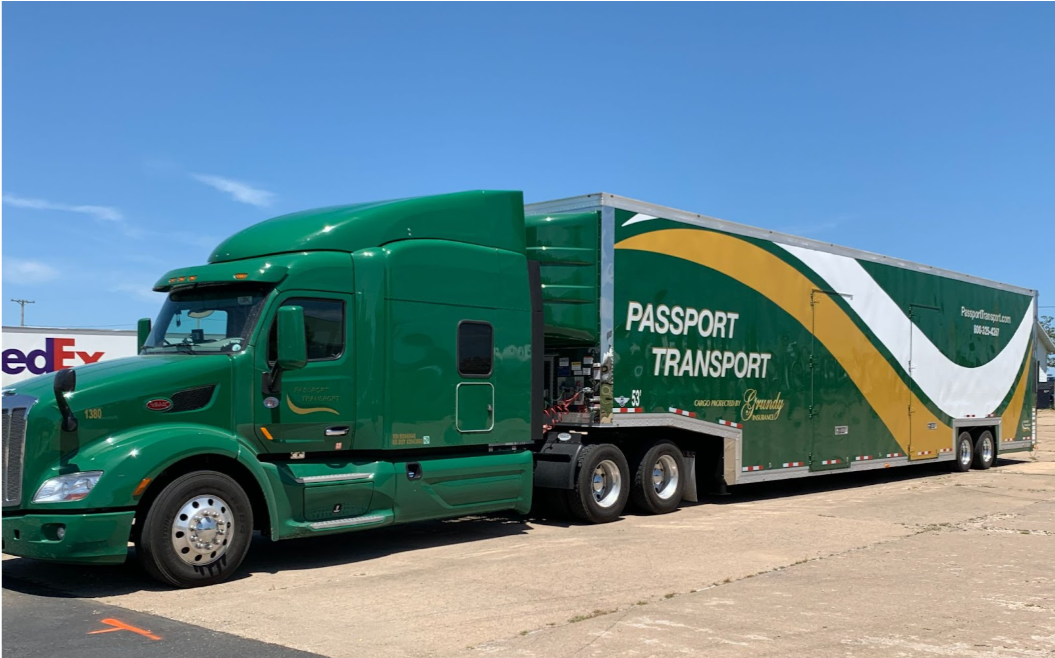
There are a few things worth sorting out before the truck arrives. Washing the car helps bring any existing marks to light, and it’s a good idea to check the tires, battery, and fluid levels at the same time. Take out anything loose, find the keys, and make sure the vehicle is ready to move. Doing this early can save time at pick-up and avoid small problems turning into delays.
For first-time car shipping customers, the process is usually more straightforward than expected. Most preparation steps only take a few minutes, especially when they’re completed over several days rather than left until pick-up morning. This practical checklist explains what to do before your auto transport, what happens when the driver arrives, and what to check when your vehicle is delivered.
You don’t need to stress about preparing everything at once, but it will help the process if you do a few things before your vehicle is picked up. This will leave sufficient time to clear out the car, check its condition, and address anything that might delay the driver.
Begin the vehicle transport process by washing the exterior of your car. The thinnest layer of dust will hide chips, scratches, or scuffs, making it more difficult to spot any damage. Pay particular attention to the lower panels and wheels.
When the car is dry, walk around it slowly and take photos as you go. Get the front, rear, both sides, bumpers, wheels, glass, and any other areas where marks are already visible. Try to take the pictures in daylight, without heavy shadows or glare.
Close-up photos are useful for anything you notice, but keep a few wider shots too. Together, they provide a clearer picture of the vehicle’s condition before vehicle transport begins.
Don’t delete the images once the vehicle has been collected. Keep them until delivery, and compare them with the condition report completed by the driver at pick-up. Any existing marks should be written down before you sign.
Tidy up the passenger area, trunk, glove box, door pockets, and any storage compartments by clearing out any personal items and accessories. Take out valuables, electronics, loose change, paperwork, clothing, tools, and other household belongings.
Personal property can move around when you ship a car. Extra items also add weight, and many auto transport carriers limit or prohibit belongings inside a vehicle. Personal possessions may not receive the same protection as the car itself, so it’s best not to assume they’re covered.
Some companies allow a small amount of luggage, often with a weight limit and rules about where it can be placed. Check the transport company’s policy before leaving anything inside.
Remove toll tags, electronic passes, and parking permits as well. A toll transponder could still register charges while the vehicle is traveling on a carrier.
Exterior accessories also need attention when you ship a car. Take off removable roof racks, bike racks, cargo boxes, antennas, magnetic signs, and other attachments. Fold in the mirrors where possible and check spoilers, custom trim, and loose panels. Anything that can’t be removed should be secured and mentioned to the driver.
Try to leave no more than one-quarter of a tank of fuel in the vehicle. This will be enough for the driver to start, load, unload, and reposition the car without carrying unnecessary extra weight. Avoid filling the tank shortly before pick-up.
Check all four tires and inflate them to the manufacturer’s recommended pressure. Don’t forget the spare if it’s likely to be used. Look for obvious punctures, slow leaks, or badly worn tires, as these may make loading more difficult.
The battery should be charged, firmly mounted, and capable of starting the engine without assistance. If the terminals are loose or badly corroded, deal with this before the pick-up date.
Take a quick look under the car and around the engine bay for signs of fluid leaks. Also, check the levels of engine oil, coolant, brake fluid, transmission fluid, and power steering fluid. If you find any leaks at all, be sure to let the carrier know immediately. If the leak is significant, you might need to get it fixed so that it doesn’t make the vehicle unsafe to load or risk damaging other vehicles on the trailer.
Turn off the alarm before you ship a car. It may sound obvious, but alarms can be triggered by movement on the truck and continue until the battery runs down.
Some vehicles also lock themselves or reset security features after a few minutes. Check whether yours does this. Where the alarm can’t be fully disabled, show the driver what to do and leave the correct remote, code, or instructions with the keys.
It’s also worth giving the car a quick test before vehicle transport pick-up. Start the engine, move it a short distance, and check the steering and brakes. Tell the transport company beforehand about a flat battery, dashboard warning lights, poor brakes, low suspension, steering faults, or aftermarket changes.
A car that doesn’t run can still be shipped in many cases. It just needs the right truck and loading setup. A winch may be needed, which can change the quote, so the company should be informed when the booking is made.
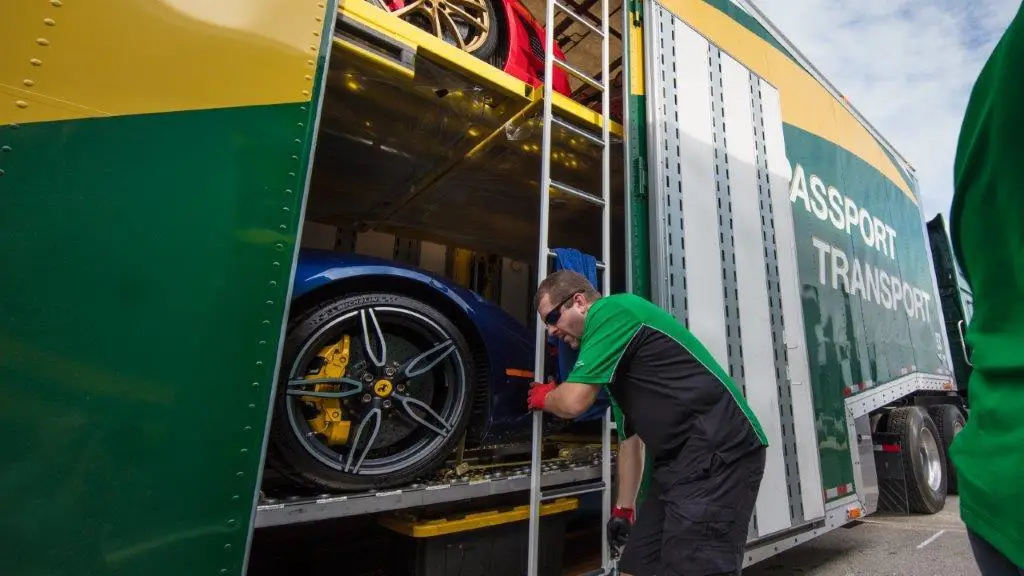
Set aside a spare set of keys for the driver rather than handing over your only copy. Include whatever is needed to open and operate the vehicle, including keys or a remote for the trunk, alarm, wheel locks, or battery cut-off.
Keep the booking email and relevant phone numbers somewhere easy to find. Double-check the collection address and make sure the person meeting the truck knows roughly when to expect the driver.
Think about the pick-up location from the driver’s point of view too. A transport truck needs plenty of space. Low trees, tight corners, restricted roads, apartment gates, or heavy traffic may mean meeting at a wider road or nearby parking area instead.
Document requests are not identical for every shipment. You might need to provide ID or the vehicle paperwork, for example. Check the instructions given when making your booking and make sure you’ve got everything ready on the day.
When the driver arrives to collect your vehicle, they’ll check that the vehicle and booking information match.
You and the driver then walk around the vehicle together. Any chips, dents, scratches, scuffed wheels, or other existing marks need to be written on the Bill of Lading. Photos may be taken as well, either by the driver or by both of you.
Read the form before signing it. The Bill of Lading serves as the shipping receipt and also records how the car looked when it was collected. Keep your copy, as you will need it when checking the vehicle at delivery.
After the paperwork is finished, the car is loaded onto the truck and secured. The driver may also confirm the likely delivery window and explain how updates will be shared while the vehicle is on the road.
Most pickup problems stem from small details being overlooked. Personal belongings may still be in the trunk, the alarm may not have been switched off, or the keys may be with someone who isn’t at the collection address.
Access can cause trouble, too. A narrow street, a gated entrance, low trees, or incorrect pick-up information may leave the driver unable to reach the vehicle safely. Other delays occur when the battery is flat or when the transport company hasn’t been informed about fluid leaks, low ground clearance, modifications, or mechanical faults.
The easiest way to avoid these issues is not to leave preparation until the truck is already on its way. Work through the car-shipping checklist two or three days before pickup. That gives you time to charge the battery, move the car if needed, find the spare keys, and update the company about anything that could affect loading.
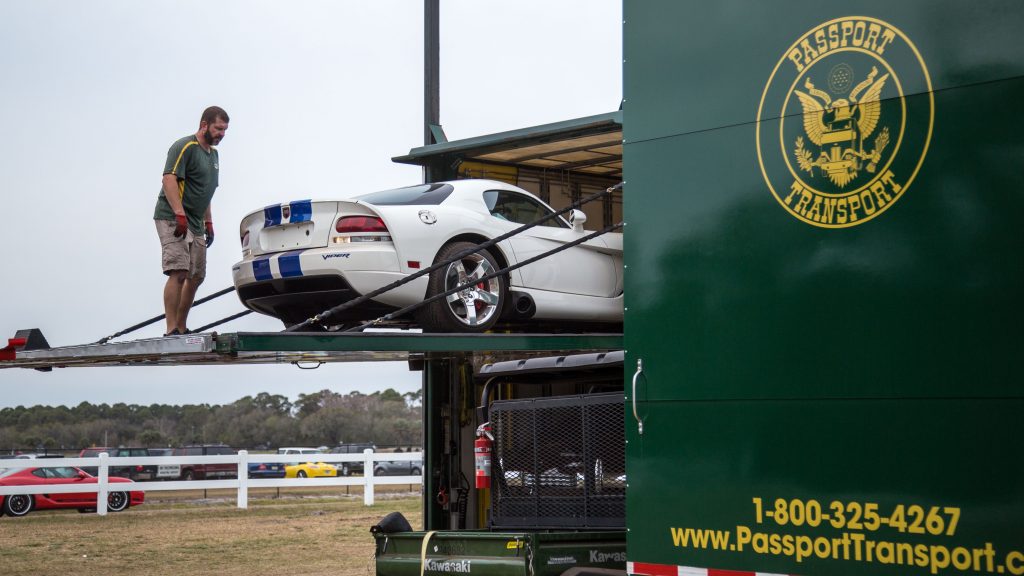
You prepare your car in roughly the same way for either service. It still needs to be cleared out, checked over, photographed, and ready for the driver to load.
Open car transport carries vehicles on a trailer exposed to the outside. Enclosed auto transport uses a covered trailer instead. Owners of classic, exotic, luxury, collector, or heavily customized cars often choose the enclosed option for the added protection it provides during the journey.
What matters most is telling the company about anything unusual before pick-up. A lowered car, wide custom wheels, a body kit, a modified suspension, or limited ground clearance may change how it has to be loaded. Take photos of those areas and include the details when booking rather than leaving the driver to discover them on arrival.
Before you sign anything, spend a few minutes carefully looking over your car. Use the pickup photos and the original Bill of Lading as references rather than relying on memory.
Check the bodywork, windows, mirrors, wheels, and any visible accessories. Walk around the vehicle in good light where possible, and look at the same areas that were photographed before transport.
It’s also sensible to start the car and make sure it moves, steers, and brakes normally, provided the location is safe for this.
Any concerns should be written on the delivery paperwork before you sign it. Don’t leave them to be reported later. Keep copies of all paperwork, including the Bill of Lading, booking confirmation, delivery documentation, and photographs, until you’re completely happy that the car shipping process is complete.
Getting the car ready is only one part of the job. The company collecting it also needs to know what it is dealing with, turn up with the right equipment, and keep you informed if plans change.
That becomes especially important with older cars, custom builds, luxury models, or vehicles that sit very low to the ground. Cars like these are not always straightforward to load. Extra clearance, a gentler loading angle, or equipment suited to the vehicle may be needed.
Passport Transport helps plan each interstate auto transport around the car being moved and the pick-up location. Customers also receive clear information as the shipment progresses. Request a car shipping quote to find out which transport option best fits your vehicle.
Don’t leave the preparation until the truck is due. Wash the car, empty it, take photos, and check the tires, battery, fuel, and fluid levels a few days in advance.
That extra time is useful if you spot a flat tire, a weak battery, a leak, or a missing key. It also gives you a clearer record to use at pick-up and again when the vehicle arrives. Passport Transport can arrange your interstate car shipping and talk you through the next steps.