
John stood in his garage, the gleaming curves of his Chevy Camaro SS catching the winter light. Snow was already beginning to fall outside, and with an upcoming move across states on the horizon, there was a decision weighing heavily on his mind: How best to protect his prized possession on the journey ahead.
He’d spent months restoring the paint to its original deep metallic blue and recently upgraded the suspension himself. The car wasn’t just a weekend cruiser anymore. It was the result of late nights in the garage and countless YouTube tutorials.
The options seemed straightforward enough—open transport or enclosed transport—but the risks felt anything but simple. Road salt, icy conditions, and debris from passing trucks all posed threats to the car he had such a close connection with.
That night, while scrolling through reviews and quotes, John found himself asking the same question many car owners do in his position: Is enclosed car shipping worth it?
Enclosed auto transport is a premium vehicle shipping service where your car travels inside a fully covered trailer, shielded from weather, dirt, and road debris.
By contrast, open car shipping, the more common option, moves vehicles on open-air trailers. While safe and widely used, cars face the elements and dust during the journey. For everyday cars, that might not be a significant concern. But for collectors, luxury owners, or anyone with a high-value car, those risks feel much greater.
Not every car needs enclosed car shipping services, but there are clear situations where the extra protection pays off. For owners moving something rare, valuable, or sentimental, it’s less of a luxury and more of a necessity.
Enclosed car shipping does indeed come with a higher price tag than open transport. Fewer carriers operate enclosed trailers, and the equipment itself includes lift gates, soft tie-downs, and climate protection. Add in the extra time and care from trained drivers, and the cost naturally reflects the premium service.
But the real question isn’t about cost, it’s about value. One unexpected hailstorm or a rock kicked up on the interstate can lead to damage far more expensive than the price difference between open and enclosed shipping.
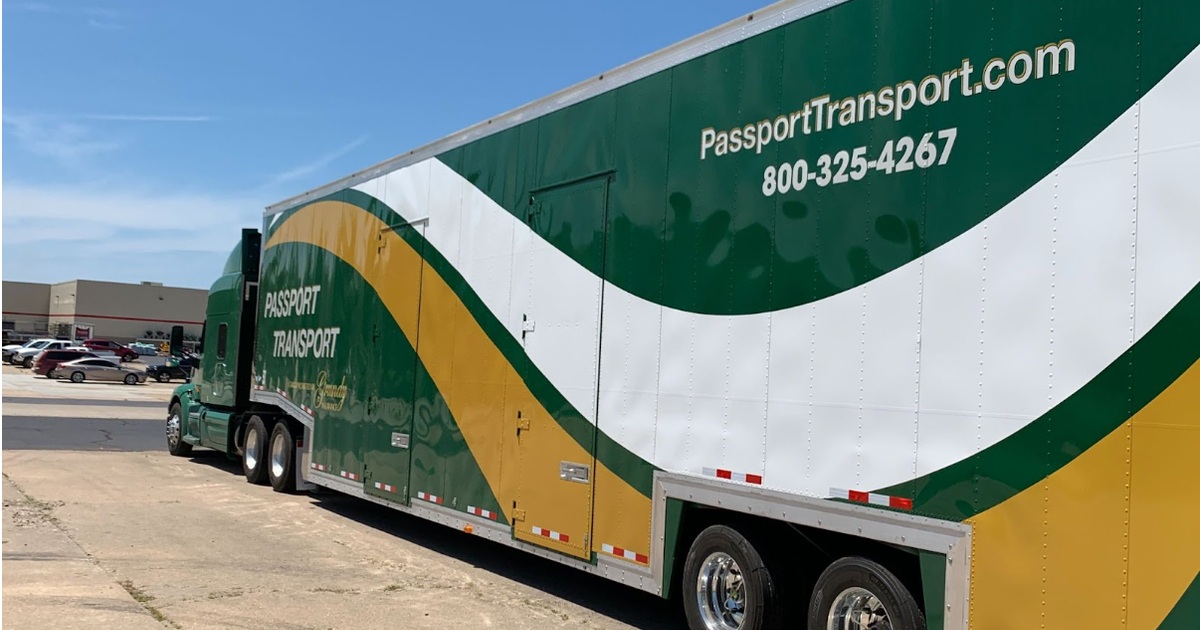
When the enclosed trailer finally pulled up outside John’s house, he felt a mix of relief and nerves. He watched the driver check the ramps, the straps, and the lift gate with practised precision. After reading one too many online horror stories about cars arriving streaked with salt and slush on open carriers, he knew he’d made the right call.
Beyond cost considerations, enclosed transport offers unique advantages that go far beyond what open carriers can provide. For collectors and enthusiasts, these benefits often make the choice an easy one.
When John’s Chevy finally rolled down the ramp, it looked as though it had never left his garage. No road dust, no salt residue, not even a fingerprint on the paintwork. That moment reinforced for him the actual benefits of enclosed car shipping: peace of mind and the assurance of perfection on arrival.
Choosing between open and enclosed shipping primarily depends on the type of vehicle you own and the level of protection you require.
| Factor | Open Car Shipping | Enclosed Car Shipping |
| Cost | Lower, more widely available | Higher, limited carriers |
| Protection | Exposed to weather, road debris, and dust | Fully shielded, “garage on wheels” |
| Risk | Slightly higher chance of cosmetic damage | Minimal risk, maximum protection |
| Best for | Everyday vehicles, budget-conscious moves | Classics, antiques, exotics, luxury cars |
If you’re moving a daily driver across the state, open transport may be excellent. But if your priority is shipping classic and vintage cars safely, enclosed transport is the wiser choice. The peace of mind alone often makes enclosed car shipping worth it.
Not always. For everyday cars or shorter moves, open transport usually works fine. Enclosed shipping is most valuable for luxury, classic, antique, or exotic vehicles, where condition and protection are of the utmost importance.
On average, enclosed transport costs about 30-60% more than open shipping. This difference reflects the specialized trailers, fewer carriers, and added care.
Not typically. Enclosed carriers are less common, which can sometimes mean longer scheduling windows. However, once booked, the service is just as efficient as open shipping, with the added benefit of enhanced protection.
Yes, enclosed trailers can transport any type of car. Some customers choose them for sentimental or brand-new vehicles, even if they aren’t high-value models.
When John finally saw his Chevy roll out of the enclosed trailer, it wasn’t just the spotless paintwork or pristine condition that struck him. It was a relief. The investment and the memories tied to every curve of that car were all intact. Choosing enclosed wasn’t just about spending more; it was about protecting something so sentimental. Contact Passport Transport today to ship your classic and vintage cars safely, or get a free enclosed car transport quote and experience the peace of mind that comes with expert enclosed service.