
Shipping a car is a simple process, but shipping an electric car raises a few different questions. How much charge should you leave in the battery? Can an EV be shipped on an open carrier? What happens if the EV won’t start when the driver arrives?
Electric vehicle shipping is generally a straightforward process when the transport company knows what it’s collecting. To help the shipping team plan the pick-up and delivery, provide your EV’s make, model, condition, and pick-up and delivery locations.
In this guide, we’ll look at how EV transport works, what to do before you hand over the keys, and which questions to ask before you book.
You can ship an EV on a car transport trailer much the same as a gasoline-powered car. However, a few differences are worth noting.
First, the driver needs to know whether the vehicle has specific instructions for moving it when it can’t be driven. These can vary by model. Some models use a transport mode that lets the wheels roll during loading. You can find out the specifics in the owner’s manual. Inform the transport company of the exact model of EV you have.
If the EV is operational, leave enough charge for it to be moved during collection and delivery. If the battery has a warning, known damage, or a fault that prevents the car from driving, tell the company when requesting a quote. This allows them time to decide how to load the vehicle and whether they need additional equipment.
You don’t need to worry about the technicalities; just be sure to be accurate with the information you provide when requesting a quote and making your booking.
Yes, you can, and it can be either an open or an enclosed car carrier that also carries gasoline-powered vehicles. The EV travels with its wheels secured to the trailer, just like other cars. The important part is giving the driver the right information for loading and unloading your model.

If the EV is operational, the driver can drive it on and off the trailer. Otherwise, the driver may need different equipment and must follow the manufacturer’s instructions for moving it.
Open transport is more commonly used for everyday EVs. Cars are moved on an open trailer, which means they’re exposed to weather, dust, and other debris, much like being driven or parked on the road.
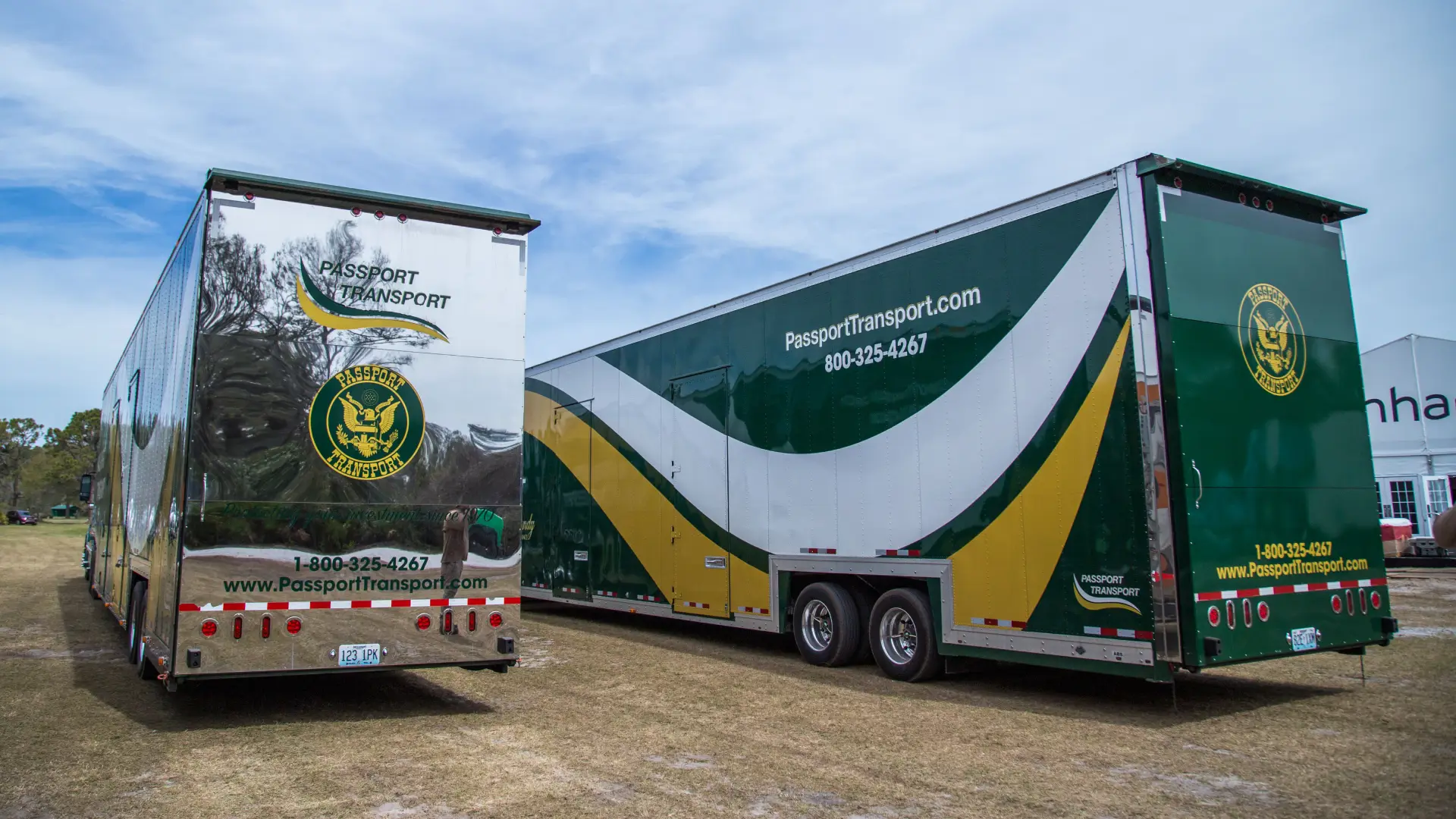
Enclosed car transport provides complete protection because the trailer is fully covered. This is recommended for high-value, collectible, or specially finished EVs. This transport option costs more because fewer cars are transported per trailer.
Make a few quick checks before the driver arrives, and it’ll make loading easier:
If you’re shipping an EV that has a damaged battery, warning messages, a charging fault, or collision damage, tell the transport company when making your booking. The same applies if it won’t start, shift into gear, or move under its own power.
The car may look fine, but you will need to handle it differently, depending on the manufacturer’s specific transport instructions. Specialist guidance may be required if the high-voltage battery is suspected of being damaged.
As long as you inform the electric car transport company of any issues, they can assess whether shipping is possible and what equipment is needed. Don’t wait until pick-up day, as they may not arrive with the correct means to load it, which will cause a delay.
There’s not a set price for shipping an EV. What you pay depends on the distance between pick-up and delivery and the route. Seasonal demand and how soon you need the vehicle collected also affect the quote.
Other factors that affect the cost include the EV’s size and weight, as they determine how much space and capacity are available on the trailer. Whether you choose open or enclosed transport is another important element, as enclosed shipping costs more.
Make sure you inform the transport company of the vehicle’s condition. A non-running EV may need additional loading equipment, which affects availability and price. Shipping an EV is not automatically more expensive. Still, to get an accurate EV auto transport quote, you must provide the make, model, year, pick-up and delivery locations, and details of any faults or damage.
Start with the checks you’d make for any car shipment: Look at recent customer reviews, ask what the quote includes, and check the company’s registration. For an interstate shipment, you can look up an auto transporter or broker through the Federal Motor Carrier Safety Administration (FMCSA).
Then ask how the company will handle your EV. Give them the make and model, along with any battery warnings, damage, or problems moving the car. A useful conversation before booking should answer:
Pay attention to how clearly the company answers. If it needs to check a model-specific instruction or confirm equipment availability, that’s useful information to have before you commit. You should know what’s being arranged, what you need to do, and who to contact if plans change.
When the driver arrives to pick up your EV, you inspect the vehicle together and record any visible chips, scratches, dents, and other damage on the vehicle’s inspection report or Bill of Lading. It’s also a good idea to take your own photos and keep a copy of the report. Give the driver the keys or access device and let them know what they need to do to move the car.

The driver loads and secures the EV on the trailer. If it can’t be driven, loading arrangements will already have been agreed with the transport company. This is why it’s so important to inform the company if the battery’s flat or there’s another fault before the pick-up day.
At the delivery location, inspect the EV before signing the delivery report. Compare its condition with the pick-up paperwork and photos, and note any new marks on the report. Check that the keys and any charging equipment have been returned.
Finally, look at the battery charge. The carrier transports the vehicle, and any charging along the way generally isn’t included as part of the service. If you’ll need to charge soon after delivery, check your options near the drop-off location in advance.
Can I ship my EV during winter?
Yes, you can, but check the manufacturer’s guidance on cold-weather operation and make sure the battery is charged enough to be moved at both ends. Remember that cold conditions can affect the battery’s available range.
How long does electric car transport take?
It all depends on the route, the length of the journey, carrier availability, and weather. When you request a quote, you can ask for an estimated pick-up and delivery timeline, especially if you need the EV by a particular date.
Should I leave the charging cable in the car?
It’s best to ask the transport company first. They may agree to carry the cable; if so, secure it where the driver says and make sure it’s recorded with any other accessories traveling with the vehicle.
What documents do I need at pick-up?
Ask the company what it requires for your booking. Have your booking details available, and keep a copy of the vehicle inspection paperwork completed with the driver.
What if my EV arrives with less charge than it had at pick-up?
Loading and unloading will use some charge, so the drop in battery levels should be minor. However, check the level before setting off and use the charging option you planned near the delivery location if needed. If the drop seems greater than you expected, raise this with the transport company.
Shipping an EV isn’t complicated, but you still need to follow a few steps to keep the process smooth. Check your owner’s manual, share any battery warnings or problems moving the car, and agree on the pick-up details before the driver arrives. Spend a few minutes checking the charge level and taking photographs of the vehicle, and you’ll feel more prepared at both ends of the journey.
If you’re planning an EV shipment, contact Passport Transport for a quote based on your vehicle and route.